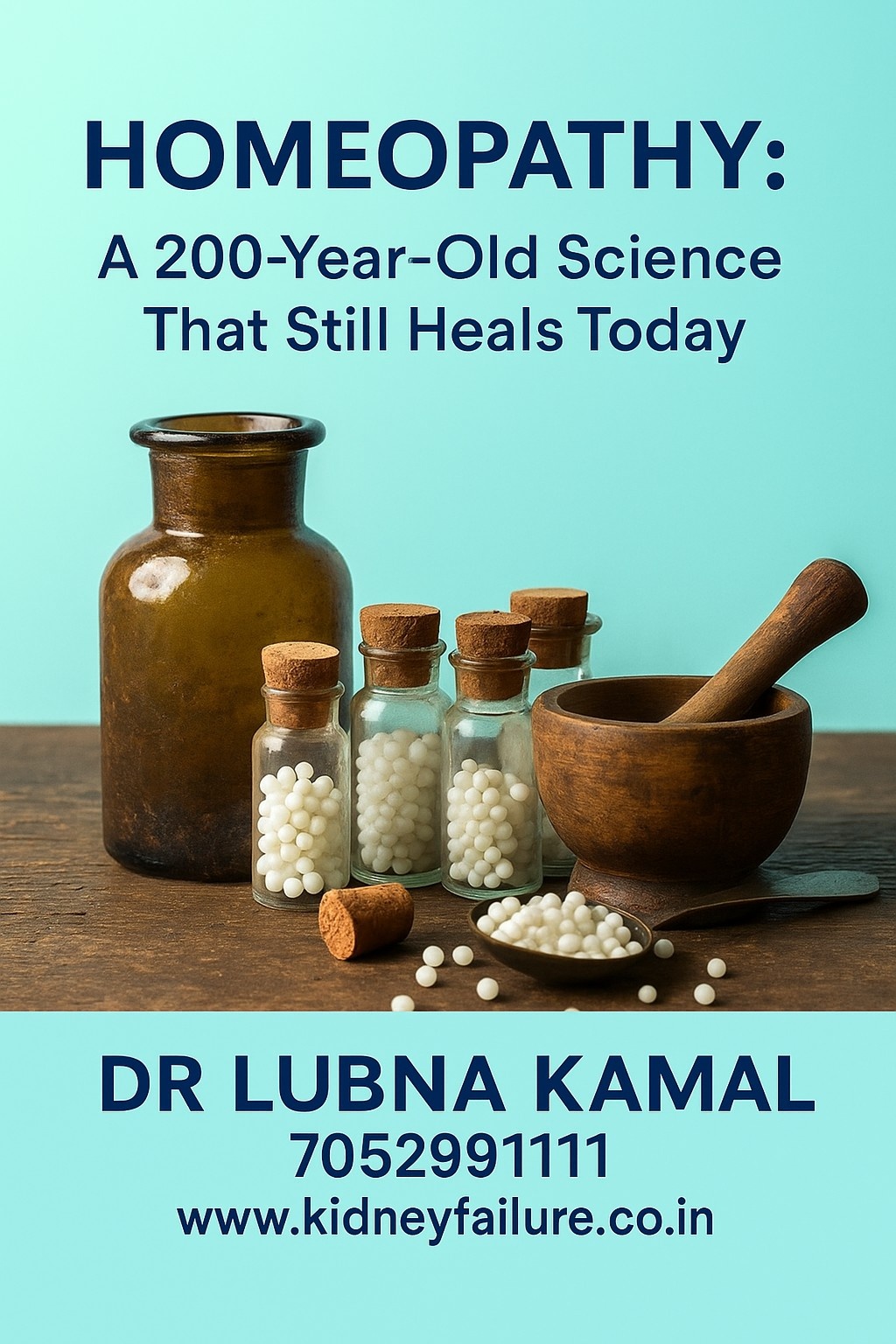
Homeopathy: A 200-Year-Old Science That Still Heals Today
Introduction – The Timeless Art of Natural Healing
For over two centuries, Homeopathy has stood as a gentle, yet powerful system of healing that continues to serve millions of people worldwide. Despite the rise of modern medicine, homeopathy remains relevant because it focuses on treating the individual as a whole, not just the disease
The Birth of Homeopathy – From Observation to Science
Homeopathy was founded in the late 18th century by Dr. Samuel Hahnemann, a German physician who became disillusioned with the harsh medical practices of his time. During his research, Hahnemann discovered the principle of “Similia Similibus Curentur” – or “like cures like.”
The Unique Philosophy of Homeopathy
What sets homeopathy apart is its individualized approach. Instead of prescribing the same medicine to everyone with a particular diagnosis, a homeopath studies the patient’s mental, emotional, and physical state to find a single remedy that matches their unique pattern of symptoms.
For example, two patients with migraines may receive completely different remedies because one may experience pain worse from sunlight and the other from stress or hunger. This personalized treatment is why homeopathy often achieves long-term healing rather than short-term relief.
How Homeopathic Medicines Are Prepared
Homeopathic remedies are derived from natural sources—plants, minerals, and even animal substances. Through a process called potentization, these substances are diluted and vigorously shaken (succussed) in specific steps.
Although critics question how such diluted preparations can act, modern research suggests that potentization may imprint energetic information of the original substance into the water or alcohol base, allowing it to act on the body’s vital energy.
Why Homeopathy Still Heals Today
Even after 200 years, homeopathy continues to thrive because of its effectiveness and safety. Patients worldwide report improvement in both acute and chronic conditions where conventional treatments may fail or cause side effects.
Homeopathy works by:
- - Stimulating natural immunity
- - Restoring internal balance
- - Addressing root causes, not just symptoms
- - Supporting mental and emotional well-being
The Homeopathic Consultation – Healing Beyond Prescriptions
A homeopathic consultation is unlike a typical doctor’s visit. It is a deep and detailed conversation between doctor and patient that may last from 30 minutes to an hour.
During this session, the homeopath explores every aspect of the patient’s life—symptoms, feelings, fears, habits, sleep, dreams, and even reactions to weather or food. This helps identify the constitutional remedy—the one remedy that best matches the patient’s total personality and health pattern.
Safety and Side Effects – The Gentle Power of Nature
One of the strongest reasons behind the growing popularity of homeopathy is its excellent safety profile. Because remedies are made in ultra-diluted doses, they are non-toxic and non-addictive, even for infants, pregnant women, and the elderly.
Homeopathy offers a gentle yet effective way to treat chronic diseases without side effects, unlike many synthetic drugs that may cause dependency or new symptoms.
Homeopathy in Modern Healthcare
The 21st century has brought a wave of integrative medicine, where traditional healing systems like homeopathy are increasingly being combined with modern diagnostics and therapies.
Hospitals and clinics in many countries now have homeopathic departments working hand-in-hand with other specialists. Homeopathy’s contribution in preventive care, lifestyle management, and chronic disease control has gained recognition



