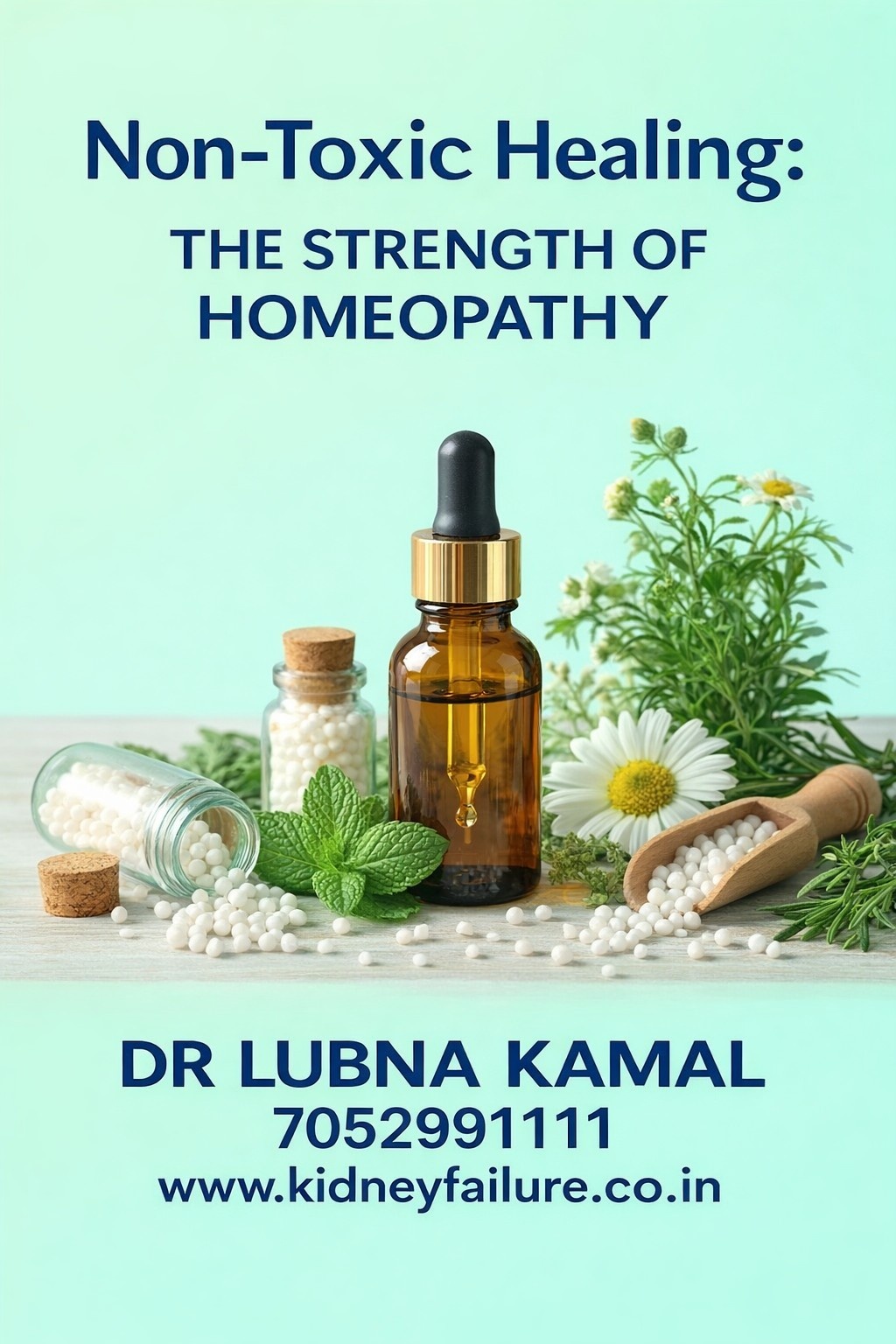
Non-Toxic Healing: The Strength of Homeopathy
Introduction: Why Non-Toxic Healing Matters Today
In today’s fast-paced world, people are more conscious than ever about what they put into their bodies. Concerns about long-term medicine use, side effects, and chemical overload have led many patients to explore safer, more natural ways to support their health. This growing awareness has brought renewed attention to non-toxic healing approaches, and among them, homeopathy continues to stand out as a system valued for its gentle nature and individualized care.
Homeopathy has been used globally for more than two centuries. Patients often turn to it not only for symptom relief but also for overall balance and wellbeing. This article is written for patients and families who want a clear, trustworthy explanation of how homeopathy fits into the idea of non-toxic healing, what makes it different, and what to realistically expect from this form of care.
Understanding Non-Toxic Healing
Non-toxic healing refers to therapeutic approaches that aim to support the body without burdening it with harmful chemicals or aggressive interventions. The focus is on working with the body’s natural processes, not against them.
What Is Homeopathy? A Simple Explanation
Homeopathy is a natural system of medicine based on the idea that the body has an inherent ability to heal itself. Remedies are prepared from natural sources such as plants, minerals, and other substances, using a special process of dilution and activation
Why Homeopathy Is Considered Non-Toxic
1. Highly Diluted Natural Substances
Homeopathic medicines are prepared in such a way that they are gentle on the body. Due to high dilution, they do not accumulate in organs like the liver or kidneys, which is a major concern with long-term use of many conventional drugs.
2. No Chemical Dependency
Patients often worry about becoming dependent on medicines. Homeopathy does not create chemical dependency, making it suitable for long-term supportive care when guided by a qualified practitioner.
3. Safe for All Age Groups
From infants to elderly patients, homeopathy is commonly chosen because of its non-toxic profile when taken under professional supervision.
4. Minimal Risk of Side Effects
When prescribed correctly, homeopathic medicines are known for having very few unwanted effects, which is why patients seeking gentle healing often prefer them.
Homeopathy and the Body’s Natural Defense System
Rather than suppressing symptoms, homeopathy aims to stimulate the body’s own healing response. Symptoms are viewed as signals that the body is trying to restore balance.
The Role of the Homeopathic Consultation
One of the strengths of homeopathy lies in its detailed consultation process. Unlike rushed appointments, homeopathic consultations often take time to understand the patient fully.
Homeopathy as Supportive Care Alongside Modern Medicine
Homeopathy is frequently used as supportive care, especially in chronic conditions where patients are already receiving conventional treatment. Many patients appreciate that homeopathy can be integrated responsibly, under medical guidance, without interfering with necessary treatments.
Scientific Perspective and Ongoing Research
Research into homeopathy is ongoing worldwide. While debates continue, patient satisfaction and long-term use highlight the importance of individual experience and safety in healthcare choices. Many patients value homeopathy for its gentle nature, even when used primarily to improve quality of life and wellbeing.
Conclusion: The Quiet Strength of Homeopathy
Non-toxic healing is not about rejecting modern medicine; it is about expanding healthcare choices with safe, gentle options. Homeopathy offers a unique path—one that respects the body’s natural intelligence and supports healing without chemical burden.
For patients seeking a calm, individualized, and non-toxic approach to health, homeopathy continues to be a trusted companion on the journey toward balance and wellbeing.



