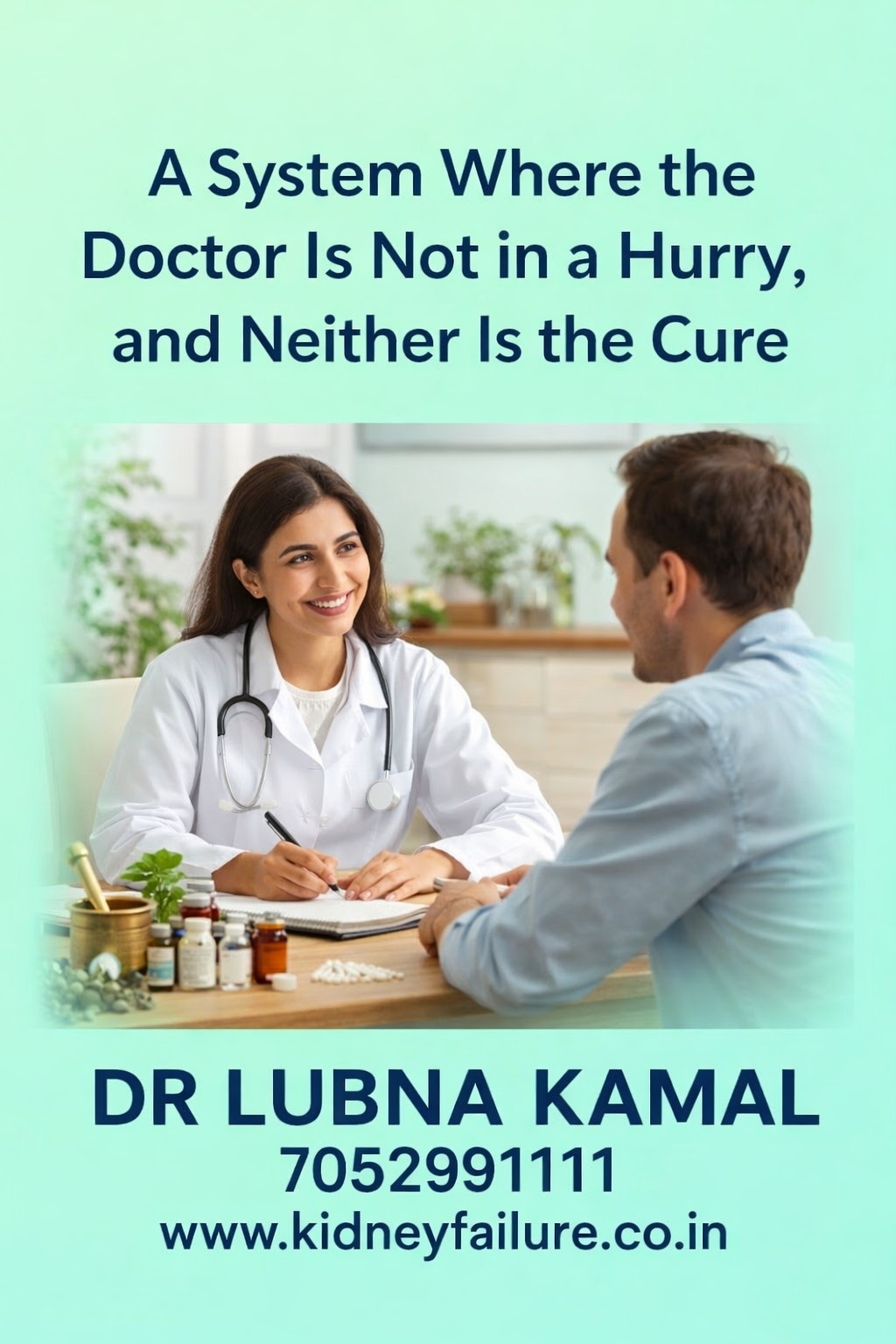
A System Where the Doctor Is Not in a Hurry, and Neither Is the Cure
In today’s fast-moving world, healthcare often mirrors the pace of daily life—quick appointments, rushed explanations, and treatments focused on suppressing symptoms rather than understanding them. Many patients leave clinics feeling unheard, confused, or dependent on long-term medication without clarity about their health journey. Against this backdrop exists a gentler, more thoughtful system of care—a system where the doctor is not in a hurry, and neither is the cure.
Why Modern Healthcare Often Feels Rushed
Modern medicine has achieved remarkable advances, especially in emergencies and acute conditions. However, for chronic illnesses, lifestyle disorders, and stress-related problems, the system often struggles. Doctors are under pressure to see more patients in less time. Appointments may last only a few minutes, leaving little room to explore emotional stress, lifestyle habits, sleep patterns, fears, or long-standing complaints.
The Value of an Unhurried Doctor
In a slower, patient-centered system, time is considered therapeutic. The doctor listens carefully—not just to symptoms, but to the person experiencing them.
Why the Cure Should Not Be Rushed
The human body has its own rhythm. Healing is a biological and psychological process that cannot be forced without consequences. Suppressing symptoms quickly may seem effective, but it often pushes the problem deeper or causes new issues elsewhere.
Individualized Care: Treating the Person, Not the Disease
One of the strongest pillars of this system is individualization. Two people with the same diagnosis may require entirely different approaches based on their constitution, emotional state, lifestyle, and history.
Reduced Medicine Load and Drug Dependence
Another major concern among patients today is long-term drug dependence. Many are prescribed multiple medicines for years, often to manage side effects of other drugs. An unhurried healing system aims to reduce unnecessary medication wherever possible.
Mental and Emotional Health Gets Equal Importance
Fast consultations often overlook emotional health, despite its deep connection with physical illness. Stress, grief, fear, suppressed emotions, and long-standing anxiety play a major role in chronic disease.
Conclusion: Choosing a Thoughtful Path to Health
A system where the doctor is not in a hurry, and neither is the cure, respects the intelligence of the human body and the individuality of each patient. It values listening over rushing, understanding over suppressing, and long-term well-being over temporary relief..
For patients tired of quick consultations and endless prescriptions, this approach offers something rare in modern healthcare—time, attention, and trust in natural healing processes.



