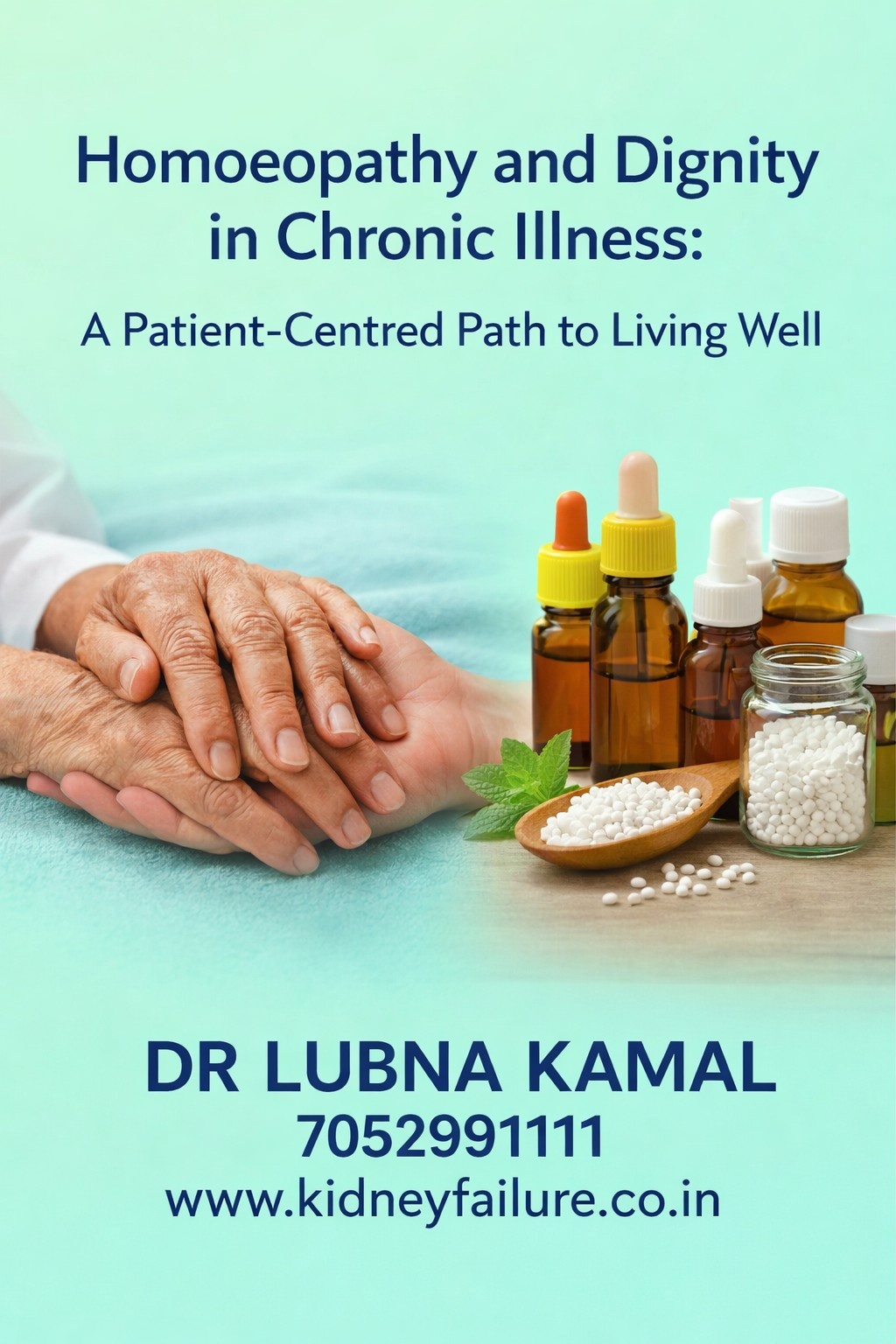
Homoeopathy and Dignity in Chronic Illness: A Patient-Centred Path to Living Well
Living with a chronic illness is not only a medical journey; it is a deeply personal experience that affects identity, confidence, relationships, and everyday choices. Long-term conditions such as diabetes, arthritis, asthma, kidney disease, autoimmune disorders, skin problems, or persistent digestive complaints often demand continuous treatment, lifestyle changes, and frequent medical visits. Over time, many patients begin to feel that their life revolves around reports, prescriptions, and restrictions rather than their own values and priorities. In this context, dignity becomes as important as symptom control.
Homoeopathy, when used responsibly as part of supportive and integrative care, places dignity at the centre of treatment. It recognises the patient as a whole person, not merely a diagnosis. This article explores how homoeopathy can support dignity in chronic illness, what patients can realistically expect, and how this approach complements conventional medical care without replacing it.
Respectful Care Beyond Symptoms
Chronic illness rarely presents as a single symptom. Pain may coexist with fatigue, sleep disturbance, digestive upset, or emotional strain. Homoeopathy aims to address this broader picture rather than chasing isolated complaints.
Dignity Through Shared Decision-Making
One of the most important aspects of dignified healthcare is participation. Patients with chronic illness often feel decisions are made for them rather than with them. Homoeopathy encourages dialogue and shared understanding.
Emotional Well-Being and Chronic Disease
Emotional health is inseparable from physical health, especially in long-term illness. Persistent symptoms can lead to anxiety, low mood, irritability, or hopelessness. While homoeopathy does not replace psychological or psychiatric care when needed, it often focuses on emotional balance as part of overall well-being.
Preserving Identity Beyond the Diagnosis
A common struggle in chronic illness is the loss of identity. People may begin to define themselves solely by their condition: “I am a kidney patient,” “I am diabetic,” or “I am always unwell.” This can quietly erode self-respect.
Homoeopathy, by focusing on individuality, reminds patients that they are more than their disease. Conversations often include interests, responsibilities, family roles, and personal strengths. This holistic view helps patients reconnect with who they are beyond medical labels.
Integrative Care: Dignity Through Balance
Modern healthcare works best when different systems cooperate. Homoeopathy is increasingly used as supportive care alongside conventional medicine, not as a replacement. This integrative approach respects both scientific evidence and patient values.
What Homoeopathy Can and Cannot Do
Maintaining dignity also means honesty. Ethical homoeopathic care avoids exaggerated claims. Patients deserve clarity.
The Role of Time and Continuity
Chronic illness unfolds over years, not weeks. Dignity is preserved when care respects this reality. Homoeopathic treatment often involves follow-ups that assess subtle changes in physical and emotional states over time.
A Gentle Reminder for Patients
If you are living with a chronic condition, you deserve care that respects your body, your emotions, and your choices. Seeking homoeopathic support does not mean rejecting modern medicine. It can be a way of reclaiming dignity, finding space to be heard, and focusing on quality of life.
Before starting any new treatment, always inform your primary physician and choose a qualified, ethical practitioner. Your health journey should be guided by knowledge, respect, and compassion.
Conclusion: Healing With Respect
Homoeopathy and dignity in chronic illness are closely connected through a shared emphasis on individuality, listening, and humane care. While chronic diseases may not always be curable, the way care is delivered makes a profound difference. Feeling respected, involved, and understood can ease suffering even when symptoms persist.
Dignity is not a luxury in healthcare; it is a necessity. When patients are treated as whole human beings rather than collections of symptoms, healing takes on a deeper meaning. Homoeopathy, when practised responsibly, offers a gentle, patient-centred approach that honours this essential human need.



