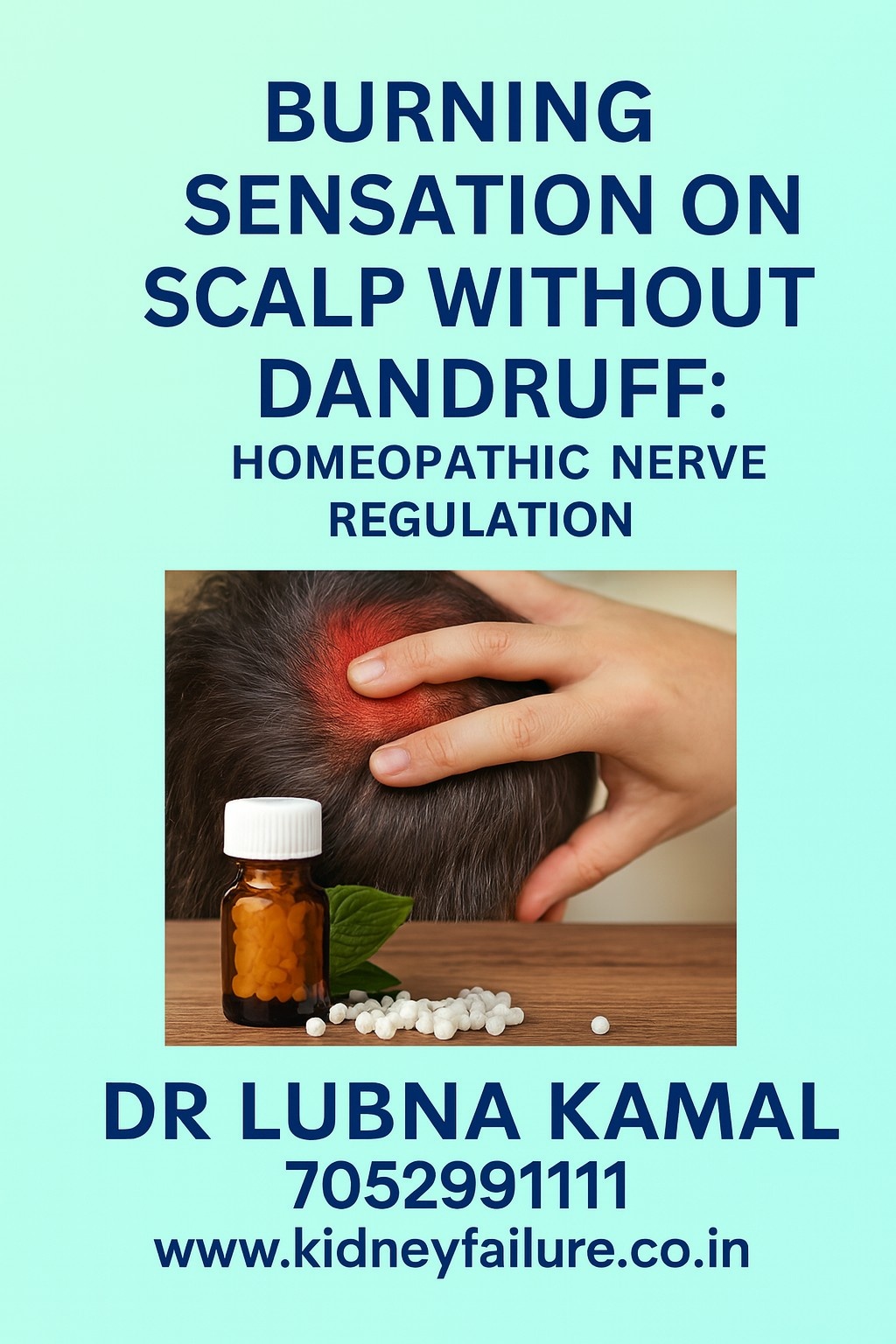
Burning Sensation on Scalp Without Dandruff: Homeopathic Nerve Regulation
Most people associate scalp burning or irritation with dandruff, fungal infection, or visible flakes. But many individuals experience a burning sensation on the scalp without any signs of dandruff or skin lesions. This symptom often creates confusion—nothing appears abnormal in the mirror, yet the scalp feels warm, overheated, prickly, or painfully sensitive to touch.
This unusual feeling can be distressing, especially when standard shampoos, oils, or dermatological creams bring little relief. In recent years, patients have increasingly searched for gentler, holistic approaches, and Homeopathic nerve-regulation remedies have emerged as a supportive option.
Understanding Scalp Burning Without Dandruff
A burning scalp without visible skin issues often points toward nerve hypersensitivity, micro-inflammation, stress-induced vasodilation, or sensitivity of the scalp’s sensory pathways.
While dandruff or dermatitis usually cause itching and flakes, nerve-based scalp burning feels different:
- Heat or warmth spreading over the scalp
- A tingling, stinging, or prickling sensation
- Soreness or tenderness on touching hair roots
- Sudden waves of burning in patches
- Feeling as if hot air is blowing inside the scalp
Sensitivity to sunlight, sweat, hair products, or even wind
For many patients, the scalp looks completely normal—which adds to the worry.
Common Causes Behind Scalp Burning (Without Dandruff)
1. Stress-Induced Nerve Overactivity
Stress and emotional strain increase cortisol and adrenaline. These hormones make the scalp’s nerve endings more reactive, causing heat, tingling, and burning.
Many patients report the symptom worsening:
- During exam stress
- After arguments
- During periods of overthinking
- At nighttime when the mind is restless
2. Sebum Sensitivity or Product Reaction
Even without dandruff, the scalp may react to:
- Chemical shampoos
- Hair dyes
- Styling gels
- Excessive heat styling
- Tight hairstyles
The scalp’s protective barrier becomes sensitive, leading to burning.
3. Vitamin or Mineral Imbalance
Deficiencies of Vitamin B12, Vitamin D, iron, zinc, and omega-3 fatty acids can trigger nerve irritation.
4. Cervical Spine or Posture Issues
Poor posture, long hours at a desk, or cervical spondylosis may irritate nerves supplying the scalp, resulting in burning sensations or a feeling of heat on the crown area.
5. Hormonal Fluctuations
Thyroid imbalance, perimenopause, or postpartum changes can create scalp nerve sensitivity.
6. Micro-Inflammation of Hair Follicles
Sometimes inflammation is too mild to show external flakes but still creates a burning or heated feeling.
7. Anxiety-Driven Sensory Amplification
In some individuals, health anxiety increases awareness of normal sensations. Even small neural signals feel amplified, creating a burning or tingling perception.
Why Homeopathy Is Considered for Scalp Burning
Homeopathy works on the principle of restoring vital force balance and regulating nerve pathways. Rather than applying topical suppressants, homeopathic medicines gently correct internal sensitivity.
Key reasons patients prefer homeopathy for scalp burning:
- It targets nerve irritation at the root level
- It reduces stress-linked scalp responses
- It calms the sensory nerves
- It works without harmful chemicals
- It supports long-term healing, not temporary relief
What to Expect During Homeopathic Treatment
Homeopathic improvement is usually steady and long-lasting. Patients often report:
- Decrease in frequency of burning spells
- Reduced intensity of heat sensations
- Better tolerance to hair products
- Improvement in sleep and emotional stability
- Healthier scalp comfort overall
Instead of suppressing symptoms, homeopathy normalizes nerve reactions, which leads to deeper and more permanent relief.
Lifestyle Tips to Reduce Scalp Burning Naturally
Homeopathic treatment works best when combined with supportive daily habits.
1. Choose mild, fragrance-free shampoos
Avoid sulfates, parabens, or strong fragrances. Harsh chemicals can overstimulate nerve endings.
2. Avoid hot water on the scalp
Use lukewarm water to prevent nerve irritation.
3. Reduce mental stress
Simple practices like deep breathing, journaling, or 10 minutes of meditation daily can significantly reduce scalp sensitivity.
4. Improve posture
Keep your neck aligned while working or studying. Cervical tension can radiate sensations to the scalp.
5. Stay hydrated
Dehydration thickens sebum and irritates follicles.
6. Avoid excessive heat styling
Blow-drying and hair straighteners intensify scalp heat.



