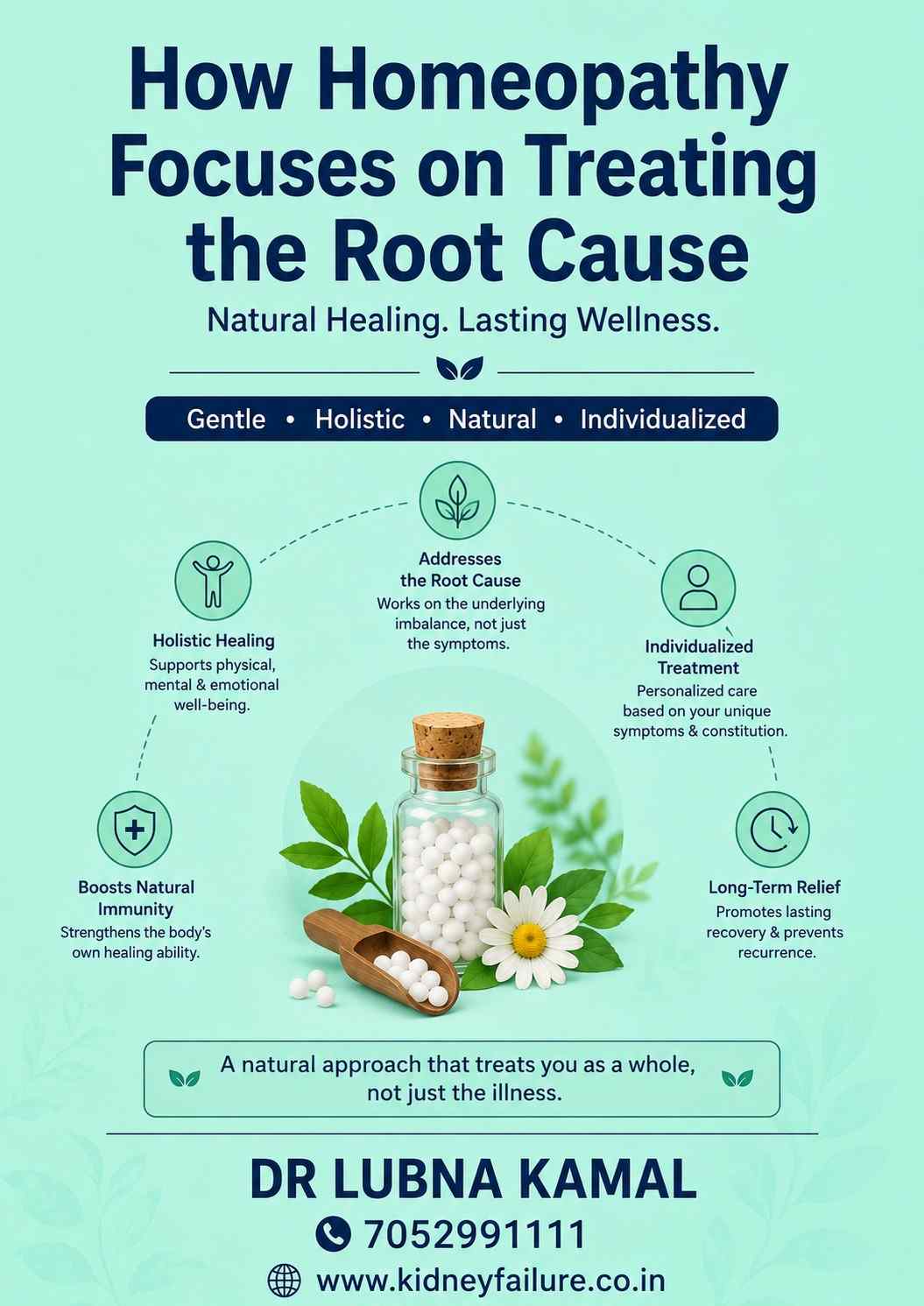
How Homeopathy Focuses on Treating the Root Cause
Homeopathy is a holistic system of medicine that aims to treat the individual as a whole rather than simply suppressing symptoms. Unlike conventional approaches that often focus on temporary relief, homeopathy works by identifying and addressing the root cause of disease. This patient-centered approach has made homeopathy a preferred choice for many people seeking natural and long-term wellness solutions.
What Does “Treating the Root Cause” Mean?
In homeopathy, symptoms are considered signals from the body that indicate an internal imbalance. Instead of targeting only the visible complaint, a homeopathic physician studies the deeper factors responsible for the condition. These may include:
- Emotional stress
- Lifestyle imbalance
- Genetic tendencies
- Environmental triggers
- Weak immunity
- Past illnesses or trauma
The goal is to restore the body’s natural healing ability so that health improves from within.
The Holistic Principle of Homeopathy
Homeopathy follows the principle of individualized treatment. Two people suffering from the same disease may receive completely different remedies because their physical, emotional, and mental symptoms are different.
A homeopathic consultation usually includes:
- Detailed medical history
- Emotional and mental state
- Food cravings and aversions
- Sleep patterns
- Stress levels
- Family history
- Overall personality traits
This comprehensive analysis helps in selecting the most suitable remedy for the patient.
How Homeopathy Works on the Body
Homeopathic medicines are prepared from natural substances and are given in highly diluted forms. These remedies are believed to stimulate the body’s self-healing mechanism.
Instead of forcing the body to suppress symptoms, homeopathy encourages the body to regain balance naturally. As the internal imbalance improves, symptoms gradually reduce and overall health becomes stronger.
Benefits of Root Cause Treatment in Homeopathy
1. Long-Term Relief
By addressing the underlying imbalance, homeopathy aims to provide lasting improvement rather than temporary suppression.
2. Individualized Care
Every patient receives personalized treatment according to their unique symptom picture and constitution.
3. Holistic Healing
Homeopathy considers physical, emotional, and mental health together, promoting complete well-being.
4. Gentle and Natural Approach
Homeopathic remedies are generally gentle and are often preferred by people looking for natural healthcare options.
5. Improved Overall Health
Many patients report better energy, improved sleep, emotional stability, and enhanced immunity during treatment.
Conditions Where Homeopathy May Help
Homeopathy is commonly used as supportive care in many chronic and recurring conditions, such as:
- Allergies
- Migraine
- Skin disorders
- Digestive problems
- Anxiety and stress-related issues
- Joint pain
- Respiratory conditions
- Hormonal imbalance
Treatment outcomes may vary from person to person depending on the nature and severity of the condition.
Homeopathy and Emotional Health
One of the unique aspects of homeopathy is its focus on emotional well-being. Emotional stress, grief, fear, anger, and anxiety are often considered important contributors to physical illness.
By understanding the emotional background of the patient, homeopathy aims to create deeper healing and better overall balance.
Importance of Proper Case Taking
In homeopathy, successful treatment depends heavily on detailed case taking. A qualified homeopathic doctor carefully evaluates the patient’s symptoms, personality, medical history, and lifestyle before prescribing a remedy.
This individualized approach helps identify the deeper cause of illness rather than merely treating the diagnosis label.
Is Homeopathy Safe?
Homeopathy is widely used around the world and is generally considered safe when prescribed by a qualified practitioner. Patients should always consult a licensed healthcare professional for proper diagnosis and treatment guidance.
Homeopathy should not replace emergency medical care in serious or life-threatening situations.
Final Thoughts
Homeopathy focuses on understanding the patient as a whole and aims to treat the root cause behind illness. By supporting the body’s natural healing response, homeopathy seeks to provide gentle, individualized, and long-term wellness.
For people looking for a holistic healthcare approach, homeopathy may offer supportive care that addresses both physical symptoms and emotional well-being.



