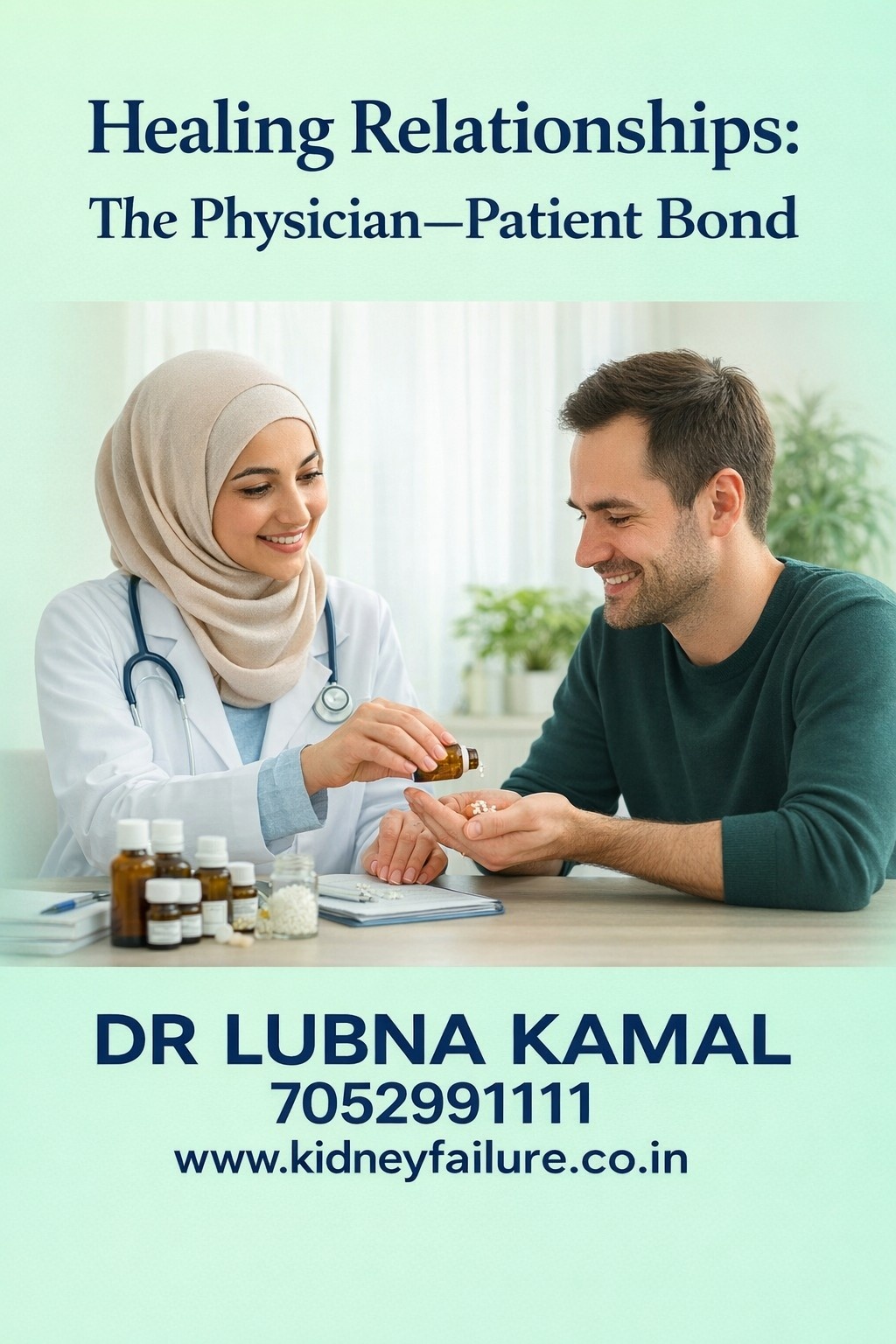
Healing Relationships: The Physician–Patient Bond
In every system of medicine, whether modern or traditional, one truth remains unchanged: healing begins with a relationship. Medicines may differ, technologies may advance, and treatment protocols may evolve, but the bond between a physician and a patient continues to be the foundation of meaningful care. A strong physician–patient relationship is not an optional extra; it is an essential part of healing itself.
For patients, illness is rarely limited to physical symptoms alone. Pain, fear, uncertainty, loss of confidence, and emotional distress often accompany disease. In such moments, the physician becomes more than a prescriber of medicines. The physician becomes a listener, a guide, and a source of reassurance. This human connection creates a safe space where healing can truly begin.
Understanding the Physician–Patient Relationship
The physician–patient relationship is a professional partnership built on trust, respect, communication, and empathy. It is a two-way interaction where both the physician and the patient actively participate in the healing process.
From the patient’s perspective, trust forms when they feel heard, understood, and respected. From the physician’s perspective, effective care becomes possible when patients openly share their symptoms, concerns, fears, and expectations. When this mutual understanding exists, treatment is not just applied—it is accepted and followed with confidence.
In contrast, when communication is rushed or impersonal, patients may feel ignored or misunderstood. This can lead to anxiety, poor treatment compliance, dissatisfaction, and delayed recovery.
Why the Healing Relationship Matters
Healing is not only a biological process; it is also psychological and emotional. Research and clinical experience consistently show that patients who feel supported and understood often respond better to treatment.
Trust: The Cornerstone of Healing
Trust is the backbone of the physician–patient relationship. Without trust, even the most accurate diagnosis and well-chosen treatment may fail.
Trust develops over time through consistent behavior, transparency, and ethical practice. Simple actions such as explaining a diagnosis clearly, discussing treatment options honestly, acknowledging limitations, and respecting patient preferences help build this trust.
Patients need to feel confident that their physician has their best interests at heart. When trust is present, patients feel safe sharing sensitive information, including emotional distress, lifestyle habits, and personal struggles that may influence their health.
The Power of Listening in Medical Care
Listening is one of the most powerful healing tools a physician possesses. Many patients seek medical care not only for relief from symptoms but also for understanding.
When physicians listen attentively—without interruption or judgment—they gain deeper insights into the patient’s condition. Often, important diagnostic clues lie within the patient’s story, emotions, and lived experiences.
For patients, being listened to validates their suffering. It reassures them that their illness is real and deserving of care. This simple act can significantly reduce emotional distress and strengthen the therapeutic bond.
Communication: Clear, Compassionate, and Honest
Effective communication is more than medical terminology and prescriptions. It involves explaining conditions in a language patients can understand, setting realistic expectations, and addressing doubts openly.
Clear communication helps patients make informed decisions about their health.
Compassionate communication acknowledges their fears and concerns. Honest communication builds credibility and long-term trust.
When patients understand their illness and treatment plan, they feel empowered rather than helpless. This sense of involvement often improves outcomes and satisfaction with care.
Respecting the Individual Behind the Disease
Every patient is unique. Two individuals with the same diagnosis may experience illness differently due to variations in lifestyle, emotional state, social environment, and personal beliefs.
Respecting individuality is a key element of relationship-centered care. When physicians see patients as whole human beings rather than just cases or reports, care becomes more meaningful and effective.
Healing Beyond Medicine
While medicines play an important role in treatment, healing often goes beyond prescriptions. Reassurance, encouragement, and emotional support can positively influence recovery.
A compassionate physician–patient relationship can reduce stress, which in turn supports the body’s natural healing mechanisms. Patients who feel emotionally supported often experience improved quality of life, even when dealing with long-term conditions.
Conclusion
The physician–patient bond is a powerful force in healthcare. It influences how patients perceive their illness, respond to treatment, and experience healing. Beyond diagnoses and prescriptions lies a relationship that can comfort, motivate, and heal.
In a world where medicine is increasingly driven by technology and efficiency, preserving the human connection remains essential. Healing relationships remind us that medicine is not only a science but also an art—an art rooted in trust, understanding, and compassion.



