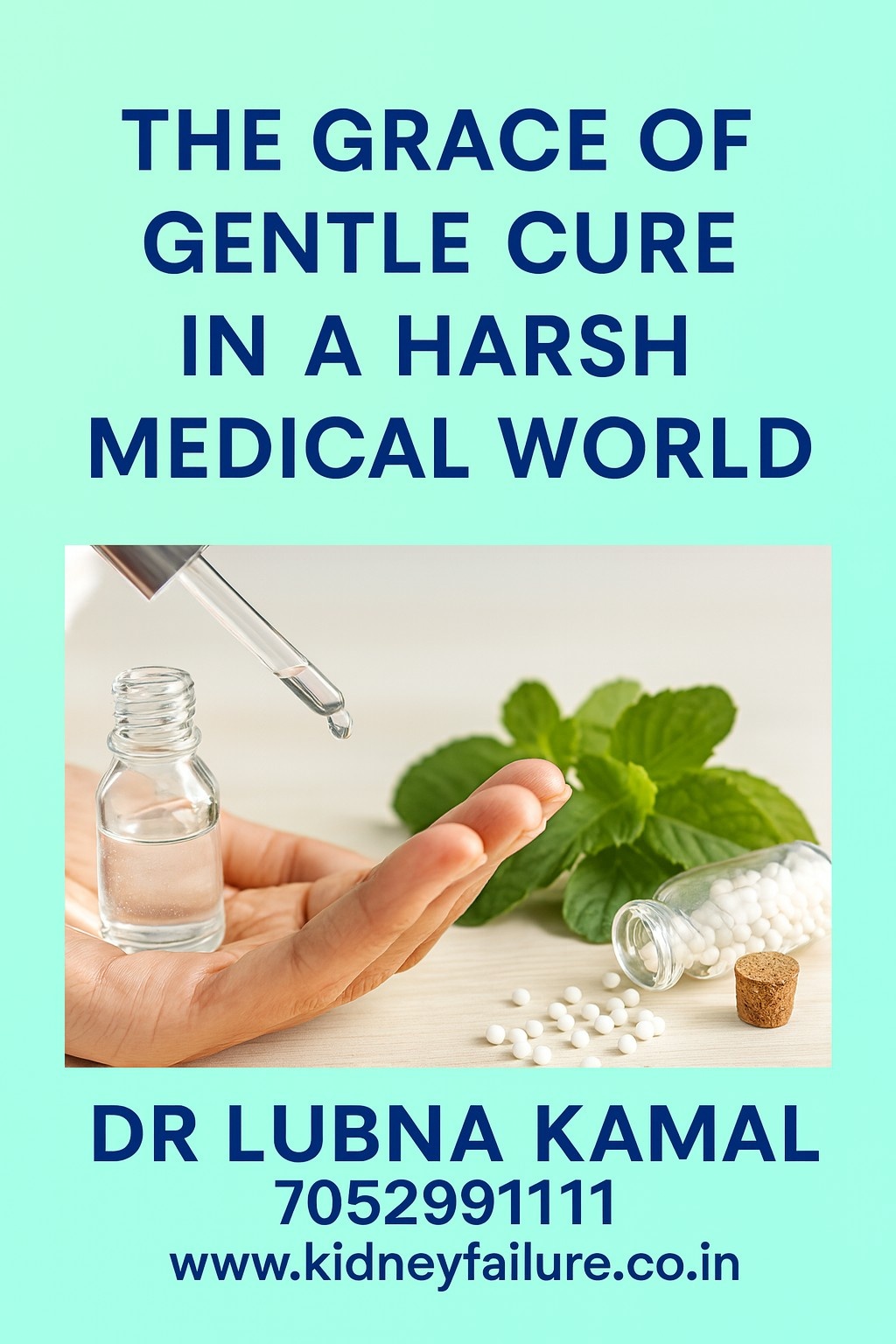
The Grace of Gentle Cure in a Harsh Medical World
In today’s fast-moving world, healthcare has become highly advanced—but also increasingly aggressive. Powerful medications, invasive procedures, and quick symptom suppression dominate modern treatment approaches. While these interventions can be lifesaving in emergencies, many patients quietly struggle with their side effects, emotional toll, and long-term consequences.
Amid this intense medical landscape, a quieter, gentler philosophy of healing continues to draw attention. It does not promise instant miracles or dramatic interventions. Instead, it focuses on restoring balance, supporting the body’s natural intelligence, and treating the person—not just the disease. This is the grace of gentle cure in a harsh medical world.
Understanding the “Harshness” of Modern Medical Care
Modern medicine has achieved remarkable success in managing infections, trauma, surgical emergencies, and life-threatening conditions. However, for chronic illnesses, functional disorders, and stress-related complaints, many patients feel trapped in a cycle of:
Long-term medication dependence
Increasing dosages over time
Multiple drugs for multiple symptoms
Side effects treated with additional medicines
Emotional exhaustion and loss of hope
Conditions such as chronic pain, digestive disorders, anxiety, migraines, hormonal imbalance, skin problems, allergies, insomnia, and unexplained fatigue often persist despite years of treatment. Patients frequently report that while test results may appear “normal,” they do not feel healthy.
What Is a Gentle Cure?
A gentle cure does not mean weak or ineffective treatment. It means healing that respects the body’s natural rhythms and avoids unnecessary force.
Gentle healing approaches aim to:
Support the body’s self-regulatory mechanisms
Address root causes rather than masking symptoms
Minimize side effects and long-term dependency
Consider mental, emotional, and physical dimensions together
Homeopathy, lifestyle-based healing, and holistic medicine follow this philosophy by working with the body instead of overriding it.
Homeopathy: A Gentle System With a Deep Philosophy
Homeopathy is often misunderstood because its principles differ greatly from conventional drug-based medicine. It does not aim to suppress symptoms directly. Instead, it stimulates the body’s own healing response using highly diluted natural substances, selected according to the individual’s unique symptom pattern.
Key principles of homeopathy include:
Individualized treatment: Two people with the same diagnosis may receive different remedies
Mind-body connection: Emotional stress, fear, grief, and anxiety are considered essential aspects of illness
Minimal dose: Remedies are used in the smallest effective quantity
Holistic focus: The patient is treated as a whole, not as a collection of organs
This approach makes homeopathy especially appealing for patients who feel overwhelmed by aggressive treatments or are sensitive to strong medications.
Why Patients Are Turning Toward Gentle Healing
Across the world, patients are becoming more informed and more cautious about long-term health decisions. Many are not rejecting modern medicine but are seeking complementary or alternative options that offer comfort, safety, and sustainability.
Common reasons patients explore gentle cure approaches include:
Fear of medication side effects
Chronic conditions with incomplete relief
Desire for natural or non-invasive care
Emotional stress linked to illness
Fatigue from repeated investigations
Interest in preventive healthcare
Gentle healing gives patients a sense of participation in their recovery rather than passive dependence.
The Emotional Dimension of Healing
One of the most overlooked aspects of healthcare is emotional well-being. Anxiety, suppressed grief, long-term stress, fear of illness, and unresolved trauma often play a significant role in physical symptoms.
In harsh medical environments, patients may feel rushed, unheard, or reduced to reports and numbers. Gentle healing approaches place strong emphasis on listening—sometimes the most therapeutic act of all.
When patients feel understood, their nervous system relaxes. This alone can improve sleep, digestion, immunity, and pain perception. Healing begins not only with medicine but with empathy.
Gentle Cure Does Not Mean Ignoring Science
A common misconception is that gentle or holistic medicine rejects science. In reality, responsible practitioners acknowledge the importance of diagnostics, emergency care, and evidence-based medicine.
Gentle healing works best when it:
Complements conventional treatment
Avoids unrealistic claims
Respects medical boundaries
Prioritizes patient safety
Homeopathy, for example, does not replace surgery, insulin, dialysis, or emergency treatment. Instead, it may help manage associated symptoms, emotional distress, recovery fatigue, and quality of life—areas where patients often feel unsupported
Conditions Where Gentle Healing Often Helps
While individual results vary, many patients report benefit from gentle approaches in conditions such as:
Anxiety and stress-related disorders
Functional digestive problems
Migraine and tension headaches
Allergies and recurrent infections
Hormonal imbalance symptoms
Skin conditions with emotional triggers
Sleep disturbances
Chronic fatigue and weakness
The goal is not instant suppression but gradual, stable improvement.
Choosing the Right Path for Yourself
Every patient’s journey is unique. Some may require modern medicine as the primary treatment. Others may benefit from integrative or gentle approaches as supportive care. The key lies in informed choice—not fear, not blind faith.



