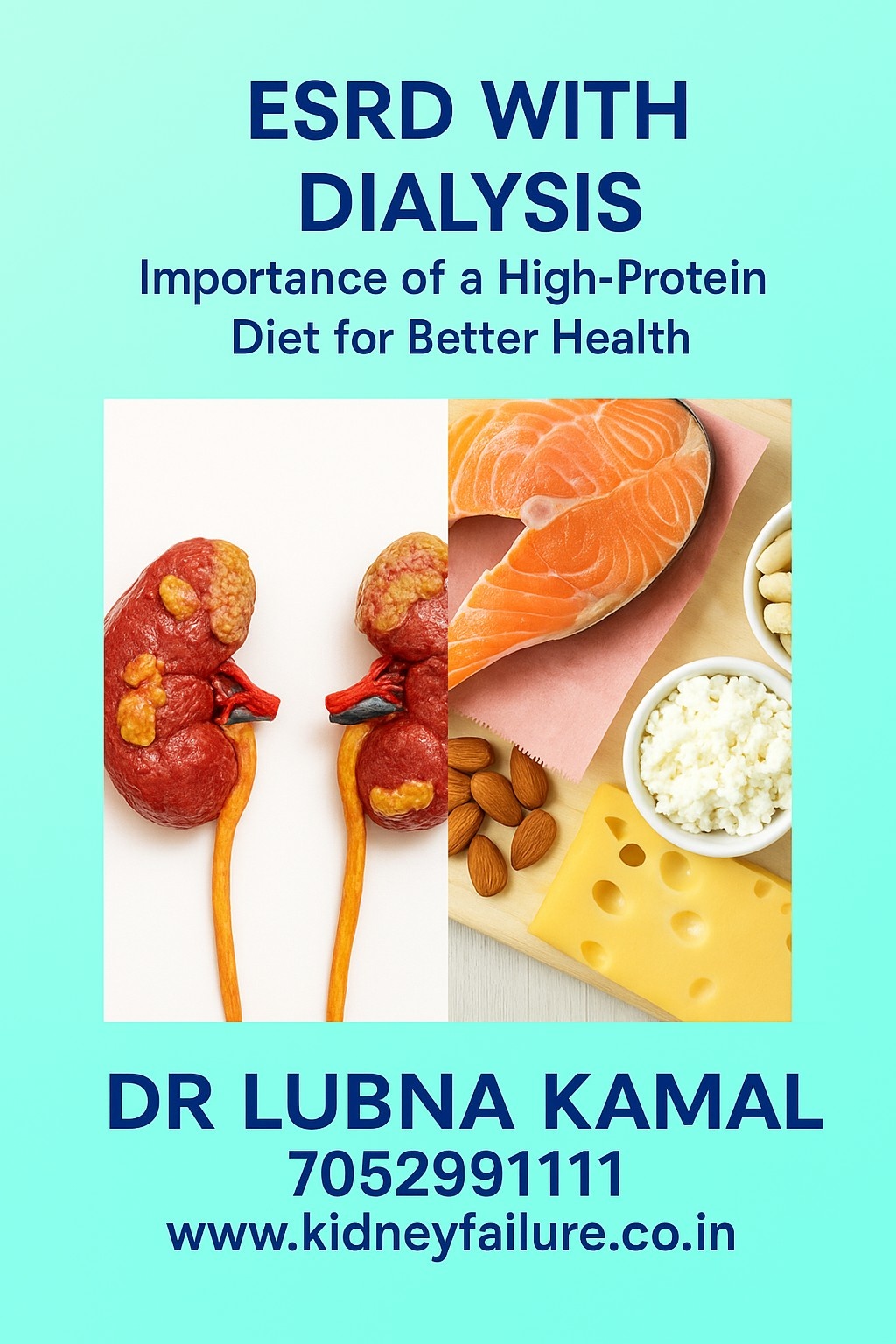
ESRD with Dialysis: Importance of a High-Protein Diet for Better Health
Living with End-Stage Renal Disease (ESRD) brings many life changes — physically, emotionally, and nutritionally. When your kidneys can no longer function effectively, dialysis becomes a life-sustaining treatment that removes waste, excess fluids, and toxins from your body. However, dialysis doesn’t replace all the kidney functions, especially those involved in maintaining nutrition and protein balance.
Understanding ESRD (End-Stage Renal Disease)
ESRD is the final stage of chronic kidney disease (CKD), where the kidneys lose about 85–90% of their function. At this point, the kidneys cannot effectively remove waste products, maintain electrolyte balance, or regulate fluid levels. Without treatment, toxins accumulate in the blood, leading to symptoms such as:
- - Persistent fatigue and weakness
- - Nausea, vomiting, and loss of appetite
- - Swelling in legs, feet, or face
- - Changes in urination
- - Shortness of breath
- - Confusion or sleep disturbances
Why Dialysis Patients Need More Protein
During dialysis, essential nutrients — including amino acids (protein building blocks) — are lost through the dialysis membrane. Each hemodialysis session can remove 6 to 12 grams of protein from the body. In peritoneal dialysis, the loss can be even higher due to continuous treatment.
Protein is vital for the body to:
- - Repair tissues and muscles
- - Support immune system function
- - Maintain hormone and enzyme production
- - Prevent malnutrition and muscle wasting
Best Sources of High-Quality Protein for Dialysis Patients
When planning a high-protein diet, focus on nutrient-dense and kidney-friendly protein sources. Here are some of the best options:
Animal-Based Proteins (High Biological Value)
- - Eggs: Especially egg whites, rich in protein and low in phosphorus.
- - Chicken and Fish: Lean and easy to digest, providing complete amino acids.
- - Lean Meat: Small portions of beef, mutton, or turkey for variety.
- - Milk and Dairy: In moderation, low-fat milk or curd can be included if phosphorus levels are controlled.
Plant-Based Proteins
- - Tofu and Soy Products: Good sources of plant protein with lower phosphorus absorption.
- - Lentils and Pulses: Useful in limited quantities, preferably soaked and boiled to reduce potassium.
- - Nuts and Seeds: Rich in protein and healthy fats, but should be eaten sparingly due to high potassium and phosphorus content.
Balancing Protein with Other Nutrients
While focusing on protein, dialysis patients must also monitor other nutrients carefully to prevent complications.
1. Sodium
Too much sodium can lead to high blood pressure and fluid retention.
Tip: Avoid pickles, processed foods, canned soups, and salty snacks.
2. Potassium
High potassium levels can affect heart rhythm.
Tip: Limit bananas, oranges, potatoes, tomatoes, and spinach. Leaching vegetables helps reduce potassium.
3. Phosphorus
Phosphorus buildup can cause bone problems and itchy skin.
Tip: Limit dairy, nuts, chocolate, and colas; use phosphate binders if prescribed.
4. Fluid
Fluid intake should match your dialysis plan and urine output.
Tip: Track fluid intake and avoid drinking excessively between sessions.
5. Energy (Calories)
Dialysis patients need enough calories to maintain weight and energy levels.
Tip: Use healthy fats like olive oil or rice bran oil, and include complex carbohydrates like rice or wheat.
Practical Tips for Increasing Protein Intake
- 1. Include protein in every meal — don’t skip breakfast.
- 2. Choose high-quality sources like eggs, fish, and lean meat.
- 3. Snack smartly with protein-rich options like boiled egg whites or tofu.
- 4. Cook wisely — avoid deep-frying; prefer grilling, steaming, or baking.
- 5. Track your diet using a food journal to maintain consistency.
- 6. Take supplements (like protein powders) only under medical guidance.
Conclusion
A high-protein diet is a cornerstone of healthy living for people undergoing dialysis due to End-Stage Renal Disease. Proper nutrition not only enhances physical recovery but also improves quality of life. With professional dietary guidance, balanced meals, and consistent dialysis, patients can live active and fulfilling lives despite kidney failure.



