The Continued Relevance of Homeopathy in Modern Times
Introduction
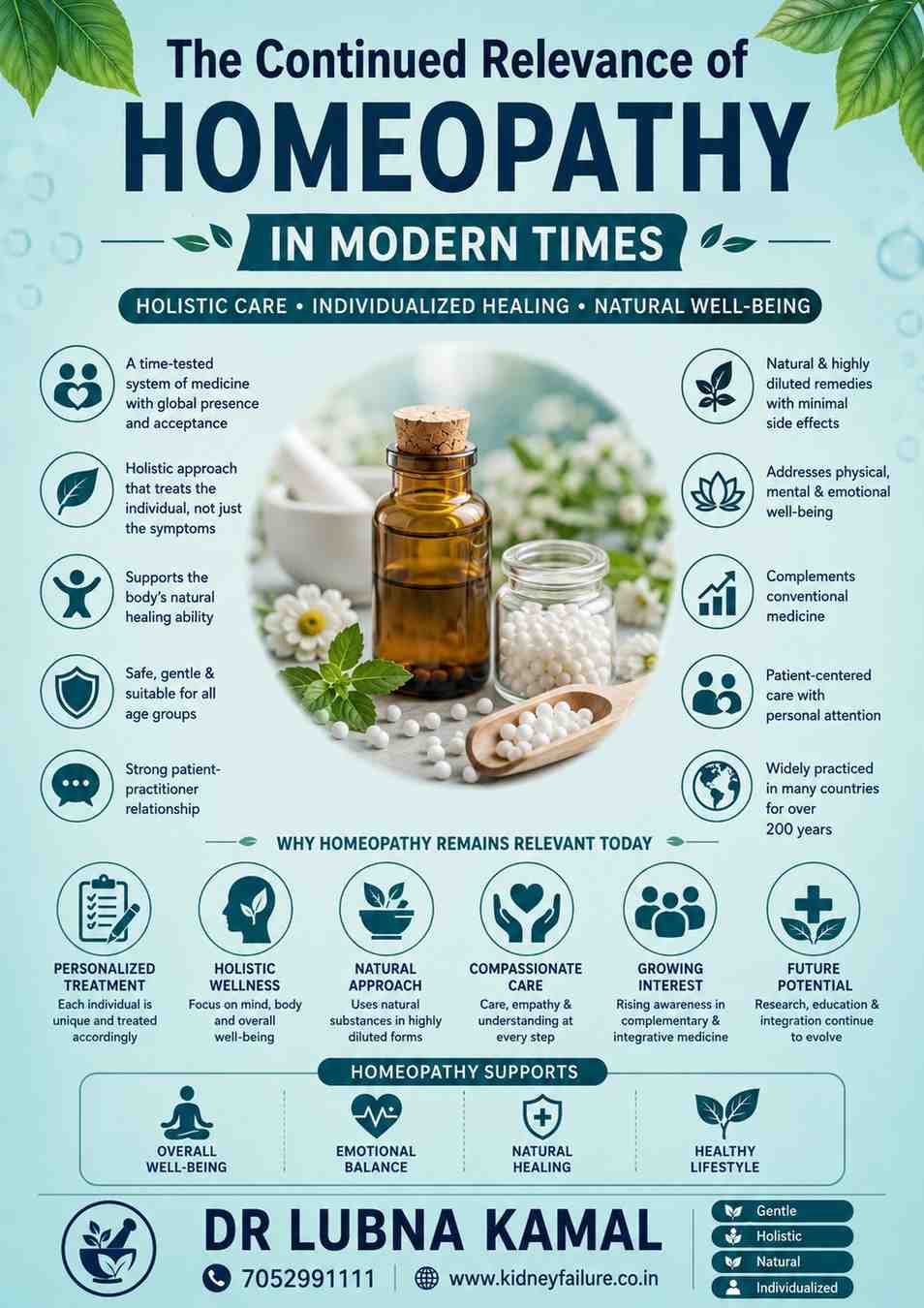
In today's rapidly evolving healthcare landscape, homeopathy continues to attract the interest of millions of people worldwide. Despite significant advancements in conventional medicine, many individuals seek homeopathic treatment as a complementary approach to health and wellness. Its emphasis on individualized care, holistic treatment, and patient-centered consultations contributes to its enduring popularity in modern times.
Understanding Homeopathy
Homeopathy is a system of medicine founded by Dr. Samuel Hahnemann in the late eighteenth century. It is based on the principle of “like cures like,” which suggests that a substance capable of causing symptoms in a healthy person may help alleviate similar symptoms in a sick person when administered in highly diluted amounts. Homeopathy aims to stimulate the body's natural healing processes and focuses on treating the individual rather than just the disease.
Personalized Treatment Approach
One of the key reasons for the continued relevance of homeopathy is its highly personalized approach to healthcare. Homeopathic practitioners take into account a patient's physical symptoms, emotional state, lifestyle, and overall well-being before recommending a treatment plan. This comprehensive assessment helps create a unique treatment strategy tailored to each individual.
Holistic Focus on Wellness
Homeopathy emphasizes the interconnectedness of the mind, body, and emotions. Rather than focusing solely on disease management, it seeks to promote overall wellness and balance. Many patients appreciate this holistic perspective, as it encourages a deeper understanding of health and personal well-being.
Strong Patient-Practitioner Relationship
Homeopathic consultations are often longer and more detailed than conventional medical appointments. This allows practitioners to gain a thorough understanding of their patients' concerns and health histories. Many individuals value the attention, empathy, and personalized care they receive during these consultations, which can contribute to greater patient satisfaction.
Role in Complementary Healthcare
In modern healthcare systems, homeopathy is frequently used alongside conventional medical treatments. Many people view it as a complementary option that supports overall health management. The growing interest in integrative healthcare has further increased awareness and acceptance of homeopathic practices among certain patient populations.
Global Presence and Cultural Acceptance
Homeopathy has established a significant presence in various countries across the world. Educational institutions, professional organizations, and dedicated clinics continue to support its practice. Its long history and cultural acceptance in many regions contribute to its continued relevance and widespread use.
Challenges and Ongoing Debate
While homeopathy remains popular among many users, it is important to acknowledge that its effectiveness is a subject of ongoing scientific debate. Researchers continue to examine its principles and outcomes, leading to diverse opinions within the medical community. Nevertheless, patient experiences and public interest have helped sustain its place in contemporary healthcare discussions.
Conclusion
The continued relevance of homeopathy in modern times stems from its personalized care, holistic philosophy, and strong patient-practitioner relationships. As interest in complementary and integrative healthcare grows, homeopathy continues to be explored by individuals seeking a broader approach to wellness. Whether viewed as a primary or complementary form of care, homeopathy remains an influential and widely discussed aspect of modern healthcare.



