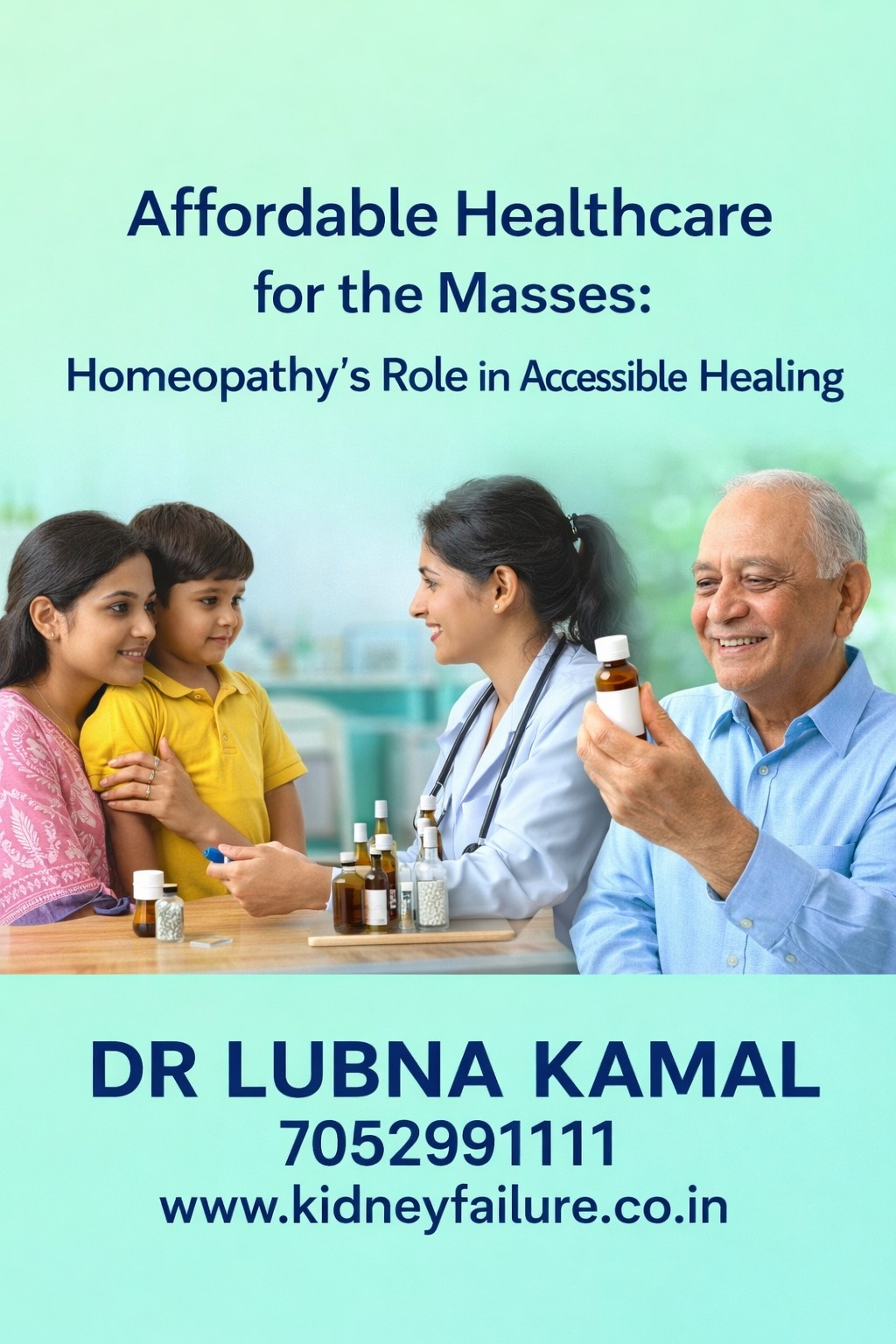
Affordable Healthcare for the Masses: Homeopathy’s Role in Accessible Healing
In today’s world, healthcare costs are rising faster than ever. For millions of people, especially in developing countries and low-income communities, quality medical care often feels out of reach. Expensive hospital visits, long-term medication costs, and limited access to specialists have made healthcare a burden rather than a basic right.
In this situation, affordable healthcare systems are no longer optional—they are essential. One such system that continues to play a meaningful role in making healthcare accessible to the masses is homeopathy. Known for its low cost, gentle approach, and individualized care, homeopathy has emerged as a practical option for people seeking safe and economical treatment for common health problems.
The Growing Need for Affordable Healthcare
Healthcare should not be a luxury reserved for a few. However, many families today struggle with:
High consultation fees
Costly diagnostic tests
Long-term dependence on medicines
Side effects that require additional treatment
For chronic conditions such as allergies, skin disorders, digestive issues, anxiety, arthritis, and lifestyle diseases, treatment often continues for years. This prolonged medical expense can significantly affect household finances.
What Makes Homeopathy an Affordable Healthcare Option?
Homeopathy is a system of medicine based on the principle of treating the individual as a whole rather than just suppressing symptoms. Several factors make it cost-effective and accessible:
1. Low Cost of Medicines
Homeopathic medicines are inexpensive to produce and purchase. A single remedy often costs a fraction of conventional medicines and can last for weeks or months.
2. Minimal Dependence on Repeated Tests
Homeopathic treatment relies more on detailed patient history and symptom patterns rather than frequent laboratory investigations, reducing overall medical expenses.
3. Suitable for Long-Term Care
Chronic illnesses often require prolonged management. Homeopathy provides a budget-friendly option for long-term treatment without financial strain.
4. Reduced Risk of Side Effects
Since homeopathic remedies are highly diluted, they are generally safe when taken under professional guidance, reducing the cost of managing drug-induced complications.
Homeopathy and Primary Healthcare
Primary healthcare is the first point of contact for individuals seeking medical help. Homeopathy fits well into this role, especially in rural and semi-urban areas.
Homeopathic practitioners often manage:
Common infections
Digestive complaints
Respiratory allergies
Childhood illnesses
Menstrual problems
Stress-related disorders
By addressing these conditions early, homeopathy helps reduce the burden on hospitals and emergency services.
Homeopathy and Chronic Disease Management
Chronic diseases place a heavy financial burden on families. Conditions like asthma, eczema, migraine, arthritis, digestive disorders, and anxiety often require ongoing treatment.
Patient-Centered and Holistic Approach
One of the strongest aspects of homeopathy is its patient-centered care. Consultations often involve detailed discussions about lifestyle, emotional health, sleep patterns, and personal stressors.
For many patients, this approach feels more humane and respectful, especially when compared to rushed consultations common in overcrowded healthcare systems.
Why Homeopathy Still Matters Today
Despite rapid medical advancements, healthcare inequality remains a global challenge. Homeopathy continues to matter because it:
Offers low-cost treatment options
Reaches underserved populations
Encourages holistic and preventive care
Reduces dependency on expensive long-term medications
For many families, it is not a replacement but a supportive pillar of affordable healthcare.
Conclusion
Affordable healthcare is not just about reducing costs—it is about making care accessible, sustainable, and patient-focused. Homeopathy, when practiced responsibly, contributes meaningfully to this goal.



