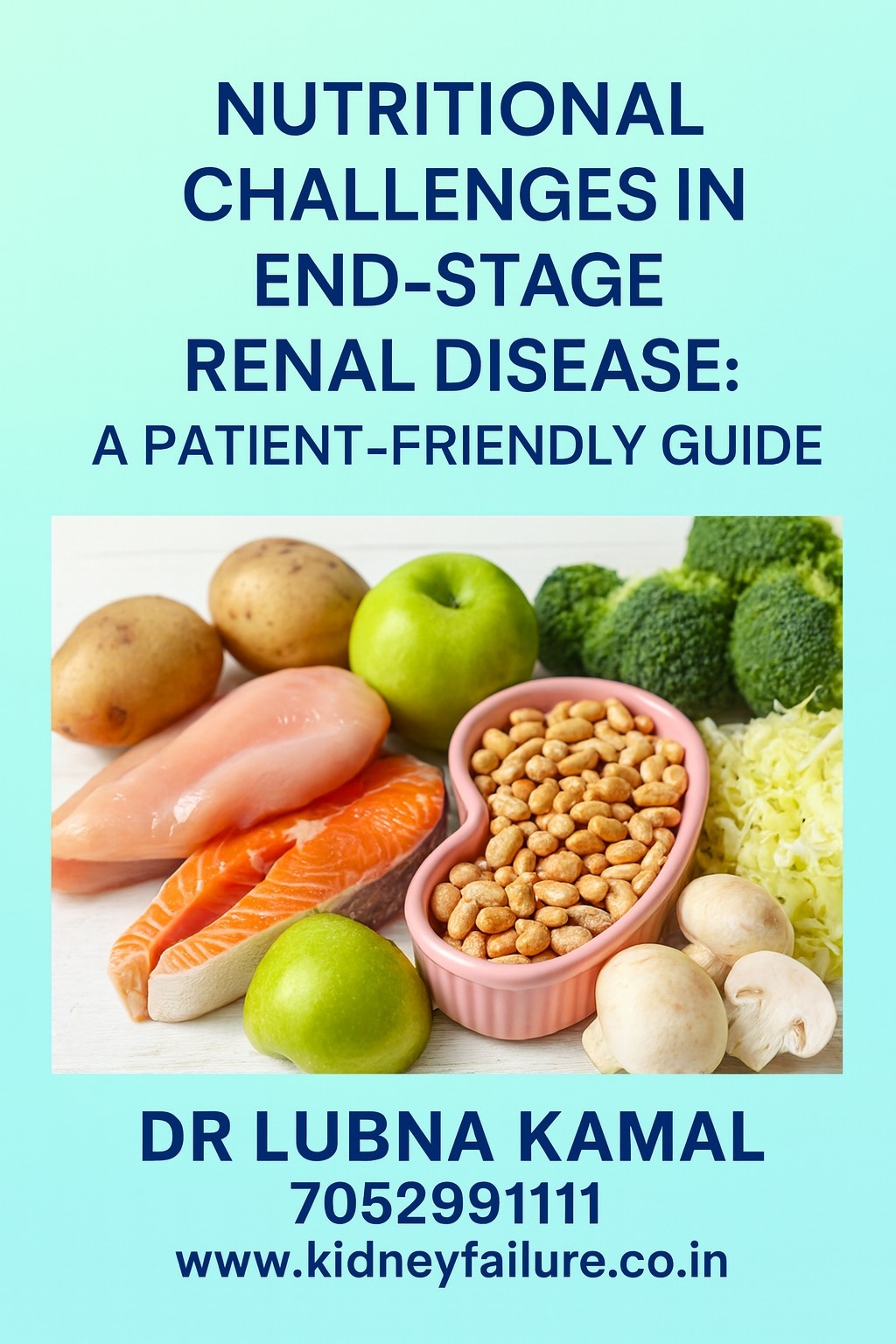
Nutritional Challenges in End-Stage Renal Disease (ESRD): A Patient-Friendly Guide
Living with End-Stage Renal Disease (ESRD) is not just about dialysis schedules, hospital visits, or lab reports—it is a daily journey that changes how a person eats, drinks, and manages their overall health. For many patients, the most exhausting part of ESRD is not the treatment itself but understanding what to eat and what to avoid. The nutritional rules seem endless, and one wrong choice may lead to complications within hours.
Why Nutrition Becomes Challenging in ESRD
When kidneys reach the end-stage of damage, they lose the ability to perform three essential tasks:
1. Filter waste products
2. Maintain fluid balance
3. Regulate minerals and electrolytes
Dialysis helps, but it cannot match the natural speed and precision of real kidneys. Because of this, even small dietary mistakes can lead to:
- Fluid overload
- High potassium (hyperkalemia)
- Dangerous phosphate buildup
- Severe weakness
- Breathlessness
- Heart rhythm problems
How Patients Can Overcome These Challenges
1. Work With a Renal Dietitian
An individualized meal plan is essential. Every patient has different:
Lab values
Dialysis schedule
Appetite
Weight goals
A renal dietitian helps balance protein, minerals, and calories safely.
2. Learn Portion Control
Most foods are not completely forbidden—the portion size matters. Small servings can prevent a sudden rise in potassium, phosphorus, or fluid levels.
3. Use Safe Cooking Techniques
Leaching high-potassium vegetables
Boiling and discarding water
Avoiding raw high-potassium foods
Choosing fresh ingredients over processed foods
These small steps make a big difference.
4. Monitor Lab Reports Regularly
Lab values are the compass for ESRD nutrition. Reviewing potassium, phosphorus, albumin, sodium, hemoglobin, and fluid balance helps guide food modifications.
5. Manage Thirst Smartly
Suck on ice cubes (counted as fluid)
Rinse mouth with cold water
Chew sugar-free gum
Use lemon for flavor
Limit salt strictly
Why Good Nutrition Matters in ESRD
A well-planned kidney-friendly diet helps:
- Improve dialysis results
- Reduce hospital admissions
- Maintain healthy weight
- Boost energy and confidence
- Protect heart health
- Prevent dangerous electrolyte imbalances
- Enhance quality of life



