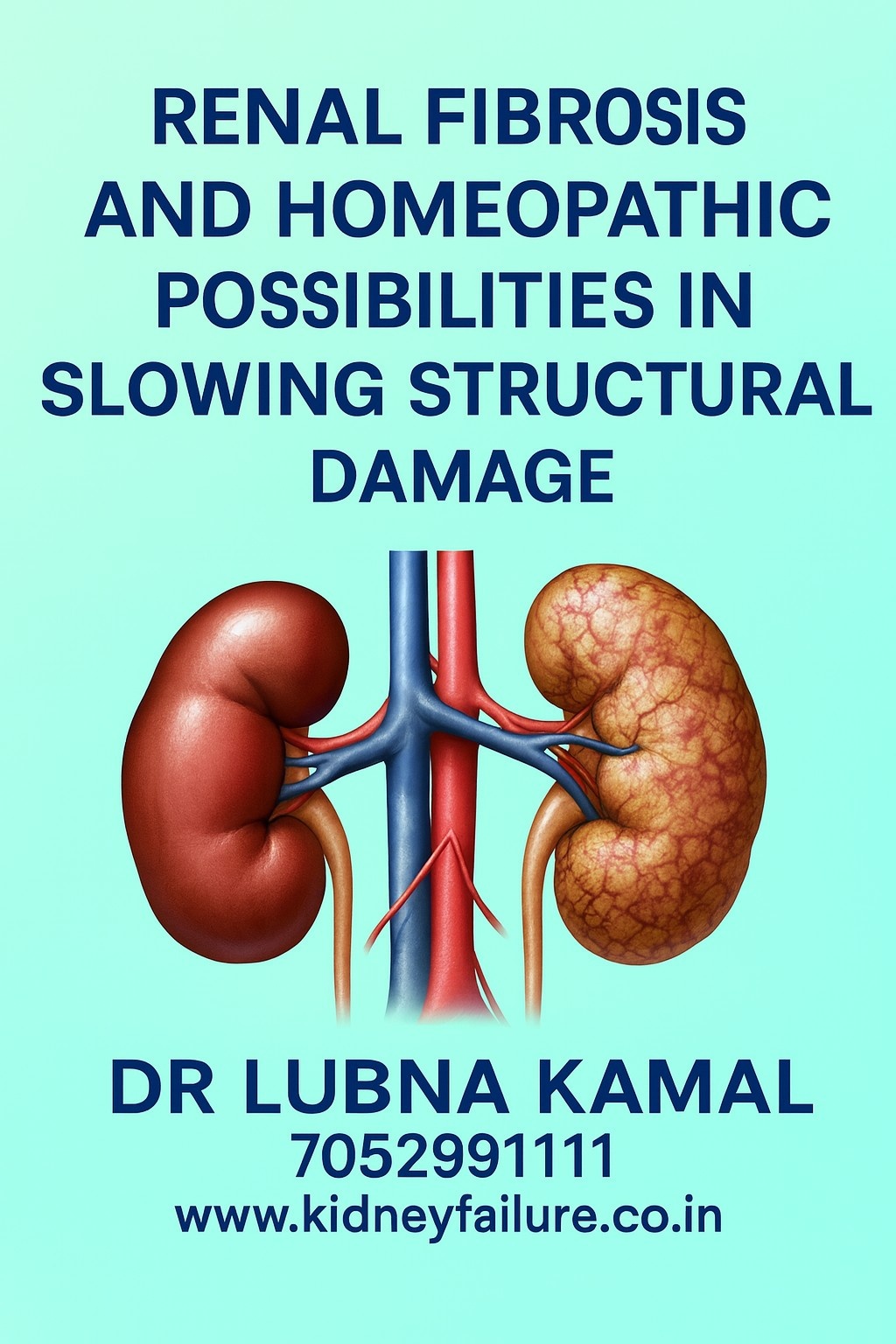
Renal Fibrosis and Homeopathic Possibilities in Slowing Structural Damage
Chronic kidney disease (CKD) has become a growing health challenge in both rural and urban communities. Many patients do not feel symptoms early, and by the time kidney damage is detected, significant structural changes may already be underway. One of the key changes that silently progresses inside the kidneys is renal fibrosis—a gradual scarring process that weakens kidney function over time.
Because fibrosis progresses slowly and often without major warning signs, many patients look for supportive approaches alongside conventional medical care. Among these, homeopathy is gaining interest for its holistic approach, individualized prescriptions, and potential to improve symptoms that indirectly influence kidney health. While homeopathy does not claim to reverse the structural damage of fibrosis, many patients report better well-being, symptom relief, and improved quality of life when it is used responsibly along with medical monitoring.
What Is Renal Fibrosis?
Renal fibrosis is the kidney’s version of scar formation. Whenever the kidneys face long-term injury—whether due to diabetes, hypertension, repeated infections, autoimmune disorders, or toxic exposure—they respond by developing inflammation. Over time, this inflammation produces layers of collagen and scar tissue.
In the beginning, the kidneys try to compensate by working harder. But as fibrosis spreads, the tiny filtration units called nephrons lose their elasticity and function. This reduces the kidney’s ability to filter blood, balance electrolytes, and remove toxins. If fibrosis continues unchecked, it leads to permanent structural decline and ultimately contributes to kidney failure.
Renal fibrosis is therefore considered the final common pathway of almost all chronic kidney diseases.
Why Does Renal Fibrosis Progress?
Several factors encourage this scarring process:
1. Persistent Inflammation
Long-term inflammation—due to infections, autoimmune diseases, or metabolic disorders—signals fibroblasts to create more scar tissue.
2. Oxidative Stress
Kidneys exposed to toxins, medicines, or uncontrolled diabetes face oxidative stress, which accelerates cell injury.
3. Poor Blood Flow to Kidneys
Reduced renal perfusion, often seen in hypertension and heart disease, limits oxygen supply and encourages fibrosis.
4. Delayed Treatment or Poor Follow-Up
Many kidney patients, especially in rural settings, avoid early medical care due to cost or accessibility issues. This allows fibrosis to progress silently.
5. Genetic Susceptibility
Some individuals naturally develop faster scarring when exposed to kidney stressors.
Common Symptoms Seen in Renal Fibrosis
Although fibrosis progresses quietly, patients may gradually experience:
Persistent tiredness or weakness
Swelling of feet and around eyes
Decreased urine output or frothy urine
High blood pressure
Loss of appetite
Nausea or metallic taste
Difficulty concentrating
Bone or muscle cramps
Itching and sleep disturbances
These symptoms do not appear suddenly—they build up over months or years. Regular kidney tests are crucial for early detection.
Can Homeopathy Help Slow the Impact of Renal Fibrosis?
Homeopathy does not claim to replace dialysis or medical treatment, nor can it dissolve scar tissue already formed. However, many patients use homeopathy as an adjunct support system to improve overall health, manage associated symptoms, and reduce aggravating factors that worsen fibrosis.
Homeopathy’s possibilities in renal fibrosis come from its ability to:
1. Support the Body’s Healing Response
Homeopathic remedies are designed to stimulate natural healing pathways. By targeting individual symptoms—such as fatigue, swelling, urinary disturbances, or metabolic imbalance—homeopathy may indirectly help slow stress on the kidneys.
2. Reduce Inflammatory Burden
Some remedies traditionally used in homeopathic practice have a role in managing chronic inflammatory states, which contribute to fibrosis progression.
3. Improve Urinary Function and Comfort
Many patients report better urine flow, reduced burning, or decreased heaviness after individualized treatment. Improved urinary comfort motivates patients to drink adequate water—essential for kidney support.
4. Address Emotional Components
Stress, fear, and anxiety worsen kidney health. Homeopathy’s holistic nature helps calm the mind, promoting better blood pressure control and overall physiological balance.
5. Improve Symptom-Related Quality of Life
Even if structural repair is not possible, reducing symptoms like weakness, digestive issues, itching, or sleep disturbance significantly enhances daily living.
How Homeopathy Complements Medical Treatment
1. Supports Conventional Care
Homeopathy does not interfere with allopathic medicines. Most patients use it safely alongside:
Blood pressure medicines
Diabetes control medicines
Diuretics
Supplements prescribed by nephrologists
2. Helps Patients Stay Consistent With Follow-Up
When patients feel symptom relief, they are more motivated to attend checkups, follow diet advice, and monitor their creatinine and GFR levels.
3. Addresses Lifestyle and Mind-Body Factors
Hydration, salt reduction, stress management, diet changes, and sleep improvement are part of homeopathic counselling—important elements in kidney preservation.
Is There Scientific Interest in Homeopathy for Kidney Health?
Although large-scale studies are limited, small clinical observations and case reports indicate:
Potential improvement in symptom load
Better urinary comfort
Reduction in fatigue and swelling
Better mental and emotional well-being
What is clear is that homeopathy provides safe, gentle, long-term support when combined with proper medical monitoring.
Final Message for Patients
Renal fibrosis is a slow, progressive process, but it is not the end of the road. With timely diagnosis, disciplined treatment, and supportive care—including homeopathy—many patients experience better symptom control and improved well-being. Homeopathy cannot reverse scarring, but it can play a meaningful role in supporting the kidneys, reducing discomfort, and enhancing day-to-day life.
Always remember: the best results come from integrated care, where homeopathy and modern medicine work hand in hand under professional guidance.



