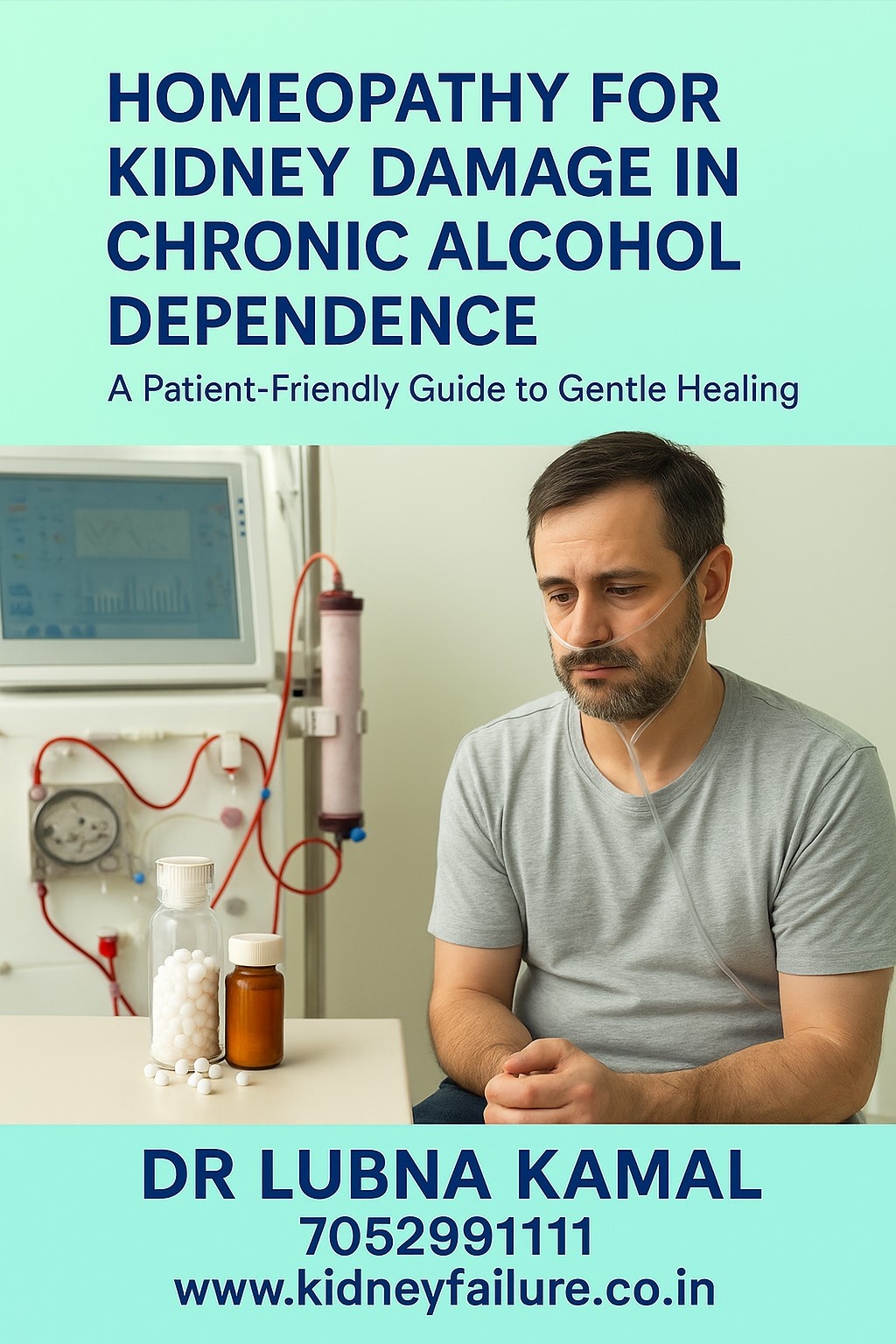
Homeopathy for Kidney Damage in Chronic Alcohol Dependence: A Patient-Friendly Guide to Gentle Healing
Long-term alcohol use can gradually exhaust the body in ways many people do not notice until symptoms become too obvious to ignore. Among the organs most affected are the kidneys, which quietly filter toxins, maintain electrolyte balance, and keep blood pressure stable. When alcohol becomes part of daily life for months or years, this delicate system begins to suffer. What starts as mild dehydration or fatigue can slowly evolve into electrolyte imbalance, swelling, raised creatinine levels, or even signs of alcohol-related kidney injury.
Understanding How Chronic Alcohol Use Damages the Kidneys
Most people associate alcohol with liver disease, but the kidneys often suffer silently. Chronic alcohol consumption affects the kidneys in several ways:
1. Severe Dehydration
Alcohol pulls water out of the body, reducing blood volume and forcing the kidneys to work harder. Over time, this strain weakens kidney filtration and contributes to rising urea and creatinine levels.
2. High Blood Pressure
Regular alcohol intake increases blood pressure, which directly damages kidney tissues and reduces their filtering ability. Hypertension is one of the leading contributors to chronic kidney disease.
3. Electrolyte Imbalance
Excess alcohol disturbs sodium, potassium, magnesium, and phosphate levels. Patients may experience muscle cramps, weakness, irregular heartbeat, or confusion.
4. Increased Toxin Load
Breaking down alcohol produces harmful metabolites, which the kidneys must excrete. Constant exposure to these toxins inflames and irritates kidney tissues.
5. Higher Risk of Acute Kidney Injury (AKI)
Heavy drinking episodes can cause sudden kidney injury, especially when combined with vomiting, dehydration, or use of painkillers.
6. Co-existing Liver Disease
When liver disease sets in, kidney function often declines too, resulting in hepatorenal syndrome—a dangerous complication.
Symptoms Patients Commonly Notice
Kidney damage related to alcohol dependence progresses quietly. Early symptoms may be mild and easy to ignore:
- Persistent tiredness and weakness
- Puffiness around the eyes or swelling in feet
- Reduced urine output or very dark urine
- Frequent cramps
- Loss of appetite
- Metallic taste or nausea
- High blood pressure
- Changes in mood, irritability, or confusion
As damage progresses, blood tests may show elevated creatinine, urea, or decreased GFR.
Where Homeopathy Fits in Kidney Support
Homeopathy does not replace medical treatment, dialysis, or detox programs. But when used as a supportive therapy, it can help patients in several ways:
- Reducing inflammation in kidney tissues
- Supporting natural detox pathways
- Managing anxiety, cravings, and emotional dependence on alcohol
- Improving energy levels
- Supporting better sleep and digestion
- Enhancing overall resilience of the renal system
The focus of homeopathy is not only on the kidney but on the entire constitution—physical, emotional, and behavioral patterns.
Lifestyle Changes That Boost Kidney Recovery
Even the best remedy cannot compensate for continued alcohol use. The following steps are essential:
1. Complete Abstinence From Alcohol
This is the most critical step in allowing the kidneys to heal.
2. Adequate Hydration
Helps flush toxins gently and keeps electrolytes balanced.
3. Avoid Painkillers (Unless Prescribed)
NSAIDs like ibuprofen or diclofenac worsen kidney damage.
4. Low-Salt, Low-Protein Diet
Supports the kidneys during the healing phase.
5. Regular Monitoring
Kidney function tests, blood pressure checks, and ultrasound monitoring help track recovery.
6. Stress Management
Meditation, yoga, breathing exercises, and counseling improve emotional well-being.
Conclusion: A Gentle Path Toward Kidney Healing
For many patients battling chronic alcohol dependence, the journey toward kidney healing is not just medical—it is emotional, psychological, and deeply personal. Homeopathy offers a gentle, individualized, supportive path that respects this complexity. While it cannot replace medical care, it can:
- Reduce discomfort
- Support kidney function
- Stabilize emotions
- Strengthen the patient’s resolve to stay alcohol-free
With proper guidance, regular follow-up, and a strong commitment to lifestyle change, many people experience meaningful improvement and regain a sense of control over their health.



