Let's Fight Kidney Disease together
Kidney dialysis and kidney transplant are often the last resort for patients in advanced stages of kidney disease. While these methods help manage symptoms temporarily, they do not cure the underlying condition. Dialysis — whether hemodialysis or peritoneal — is invasive, expensive, and carries a high risk of infections and complications. Kidney transplant, though more permanent, requires a suitable donor and lifelong immunosuppressive medications that can weaken the immune system and cause serious side effects. Unfortunately, even a successful transplant can be rejected by the body.

In contrast, homeopathic treatment for kidney disease focuses on stimulating the body's own healing ability, slowing down kidney damage naturally, and improving overall health without toxic side effects. With individualized remedies, homeopathy offers a gentle yet powerful approach to managing conditions like chronic kidney disease (CKD), nephrotic syndrome, proteinuria, and more—without the need for dialysis or transplant in many early to moderate cases.
Connect with Our Doctors for a Consultation on Kidneys Health and Discover How Herbal Treatments can Help.
B.H.M.S., M.D.
B.H.M.S., M.D.
Homeopathy is a natural system of medicine that uses nano-doses of specially prepared remedies to stimulate the body's own healing mechanism. Based on the principle of the Law of Similars, it treats the patient as a whole—mind, body, and emotions—not just the disease. It is widely used for chronic kidney disease (CKD), liver cirrhosis, arthritis, PCOD, thyroid disorders, skin diseases, and autoimmune conditions.
Yes. Homeopathic medicines are 100% safe, natural, and free from side effects. They can be used by children, pregnant women, elderly patients, and those with kidney failure or liver diseases, where conventional medicines may be harmful. Remedies are non-toxic, non-addictive, and ISO-certified.
Absolutely. Homeopathy can be safely taken along with allopathy, dialysis, or post-surgery medicines. It does not interfere with the action of conventional drugs. In fact, many patients use homeopathy for kidney failure, liver diseases, and cancer support alongside modern medicine to improve immunity, reduce side effects, and enhance recovery.
The timeline varies depending on the disease stage, duration, and patient's general health.
Acute conditions (like fever, infections, migraine) may improve in hours to days.
Chronic diseases (like kidney failure, arthritis, thyroid problems, PCOD) usually show progress within 3–6 months of consistent treatment.
Homeopathy is effective for both acute and chronic conditions. Patients commonly consult for:

Yes. Homeopathy has been practiced worldwide for over 200 years and is recognized by the WHO (World Health Organization) as the second most widely used system of medicine. Research suggests that homeopathy works at the nano-pharmacology level, stimulating the neuroendocrine and immune systems and even supporting stem cell activation for organ repair.
Unlike conventional drugs that often suppress symptoms, homeopathy treats the root cause of disease. Benefits include:
Yes. We offer online homeopathy consultation worldwide through phone, video call, and WhatsApp. Patients can send their reports, prescriptions, and history electronically, and we courier ISO-certified homeopathic medicines directly to their doorstep in India and abroad.
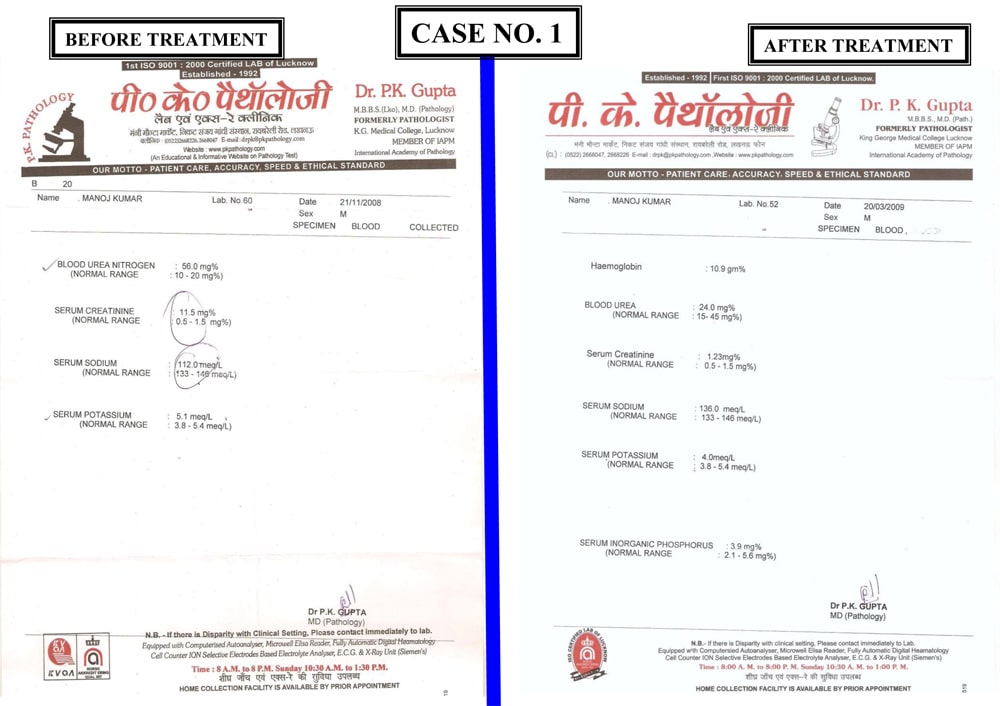
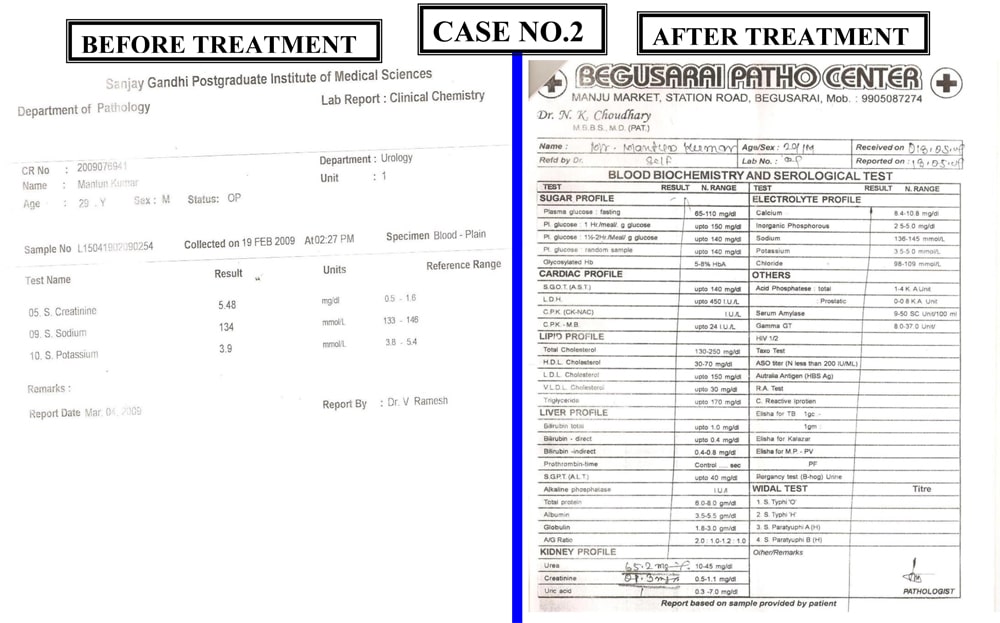
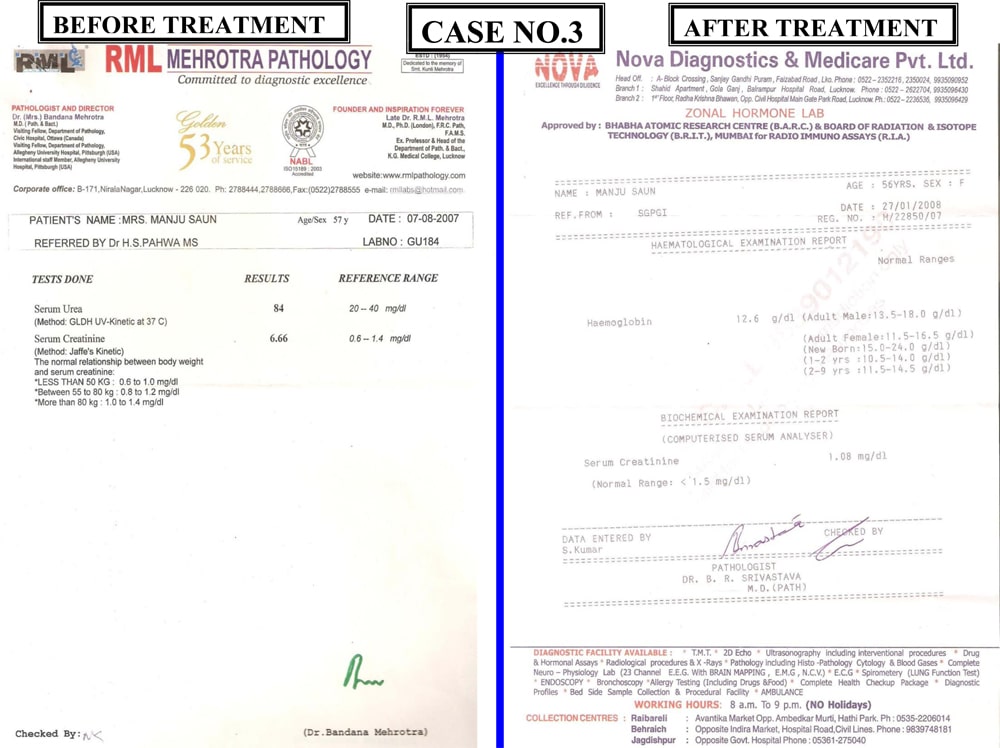
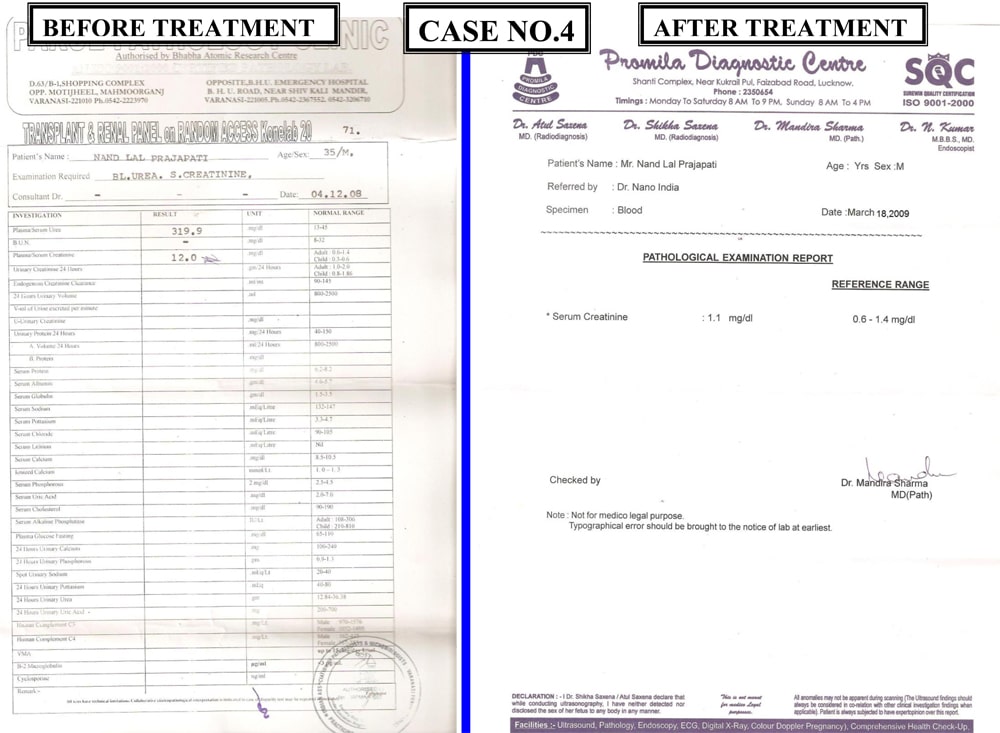
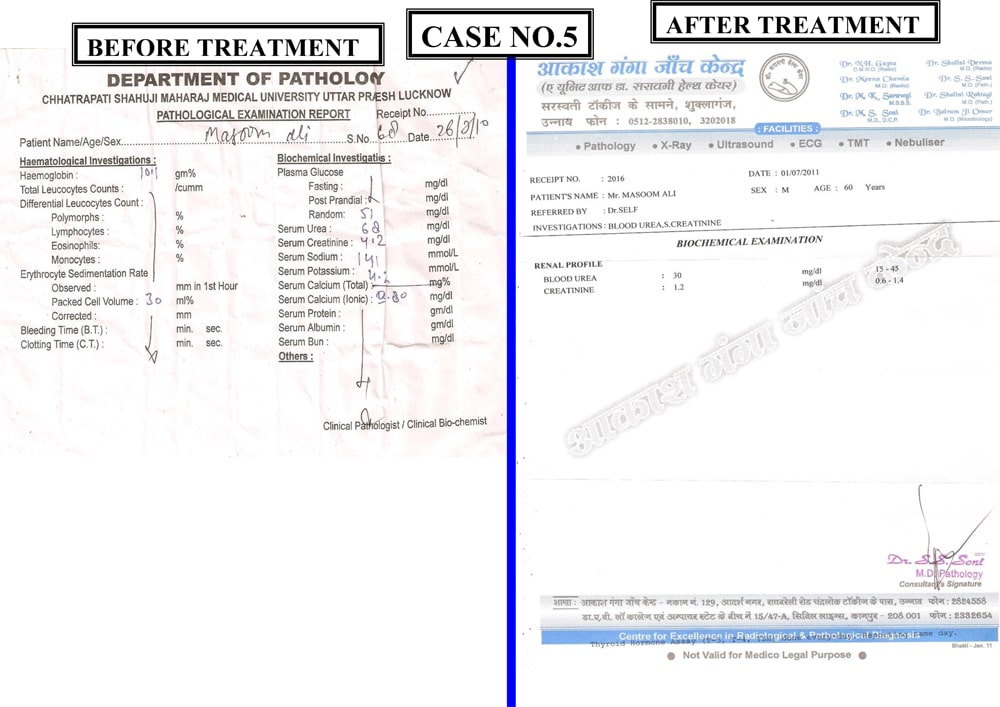
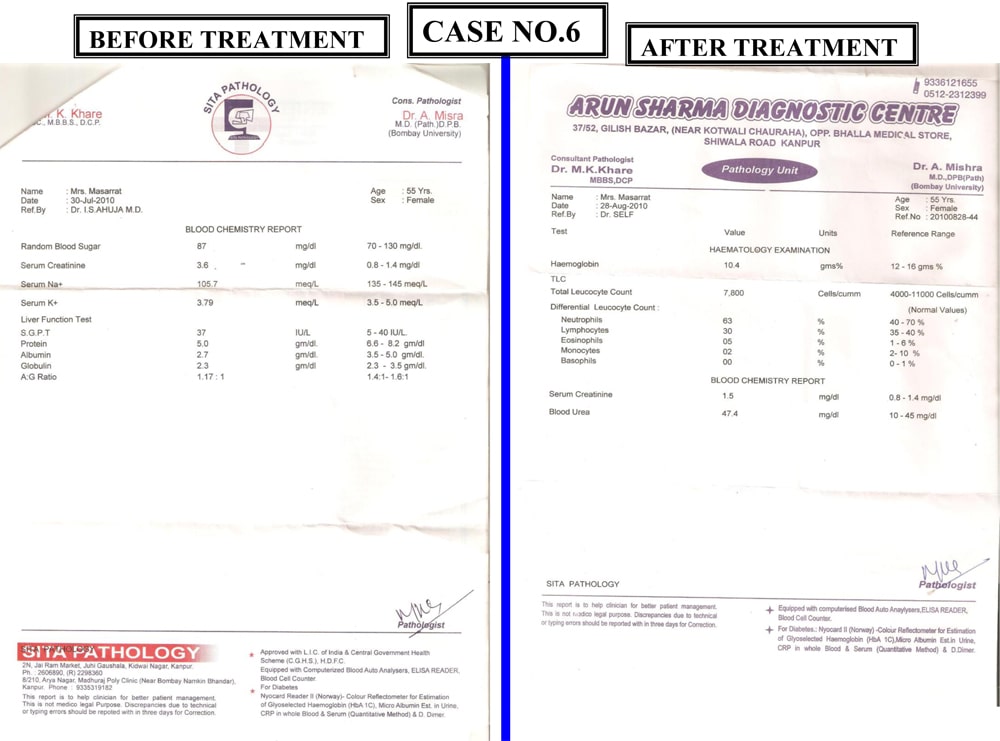
Homeopathy cannot claim to "cure" all cases of kidney failure, but it can slow down the progression of chronic kidney disease (CKD), improve kidney function, and reduce dependency on dialysis in many patients. With personalized homeopathic treatment for kidney failure, many patients report improvement in creatinine levels, urea clearance, swelling (edema), and urine output. Early intervention offers the best results.
Yes. Homeopathic medicines for kidney failure are 100% natural, non-toxic, and free from side effects. Unlike conventional medicines, they do not burden the kidneys or liver. They can be taken safely along with allopathic treatment, dialysis, or post-transplant care, as they do not interfere with other medications.
In CKD, homeopathy works by stimulating the body's self-healing capacity. Remedies are selected according to the patient's symptoms, constitution, and underlying causes. Homeopathy can:
In many patients, constitutional homeopathy treatment for kidney failure has shown positive results in reducing dialysis frequency and improving kidney function. While dialysis may still be required in advanced cases, homeopathy can delay dialysis, improve quality of life, and sometimes help patients avoid transplant.
Some commonly prescribed homeopathic medicines for kidney problems include Apis mellifica, Arsenicum album, Cantharis, Lycopodium, Terebinthina, and Serum anguillae. However, the right remedy is always individualized after a detailed case analysis. Self-medication is not advised; patients should consult an experienced homeopathy doctor for kidney disease.
Yes. Homeopathy for PKD can help slow cyst growth, manage pain, reduce urinary infections, and improve kidney function. While PKD is a genetic disorder, homeopathy focuses on improving kidney health, reducing symptoms, and delaying complications like kidney failure.
Absolutely. Diabetic nephropathy (diabetic kidney disease) is one of the leading causes of CKD. Homeopathy for diabetic kidney failure can:
The response depends on the stage of kidney disease, patient's age, lifestyle, and associated conditions. In early CKD, improvements can be seen within 3–6 months. In advanced kidney failure, it may take longer, but patients often experience symptomatic relief, improved energy, and reduced swelling within weeks of starting homeopathic treatment for kidney disease.
Yes. Homeopathy after kidney transplant or during dialysis is completely safe. It helps patients by:
You can consult our clinic directly or through online homeopathy consultation for kidney disease from anywhere in the world. We also offer ISO-certified medicines delivered to your doorstep in India and abroad.